
Blog
How to Use an Italian Moka Pot: Easy Steps
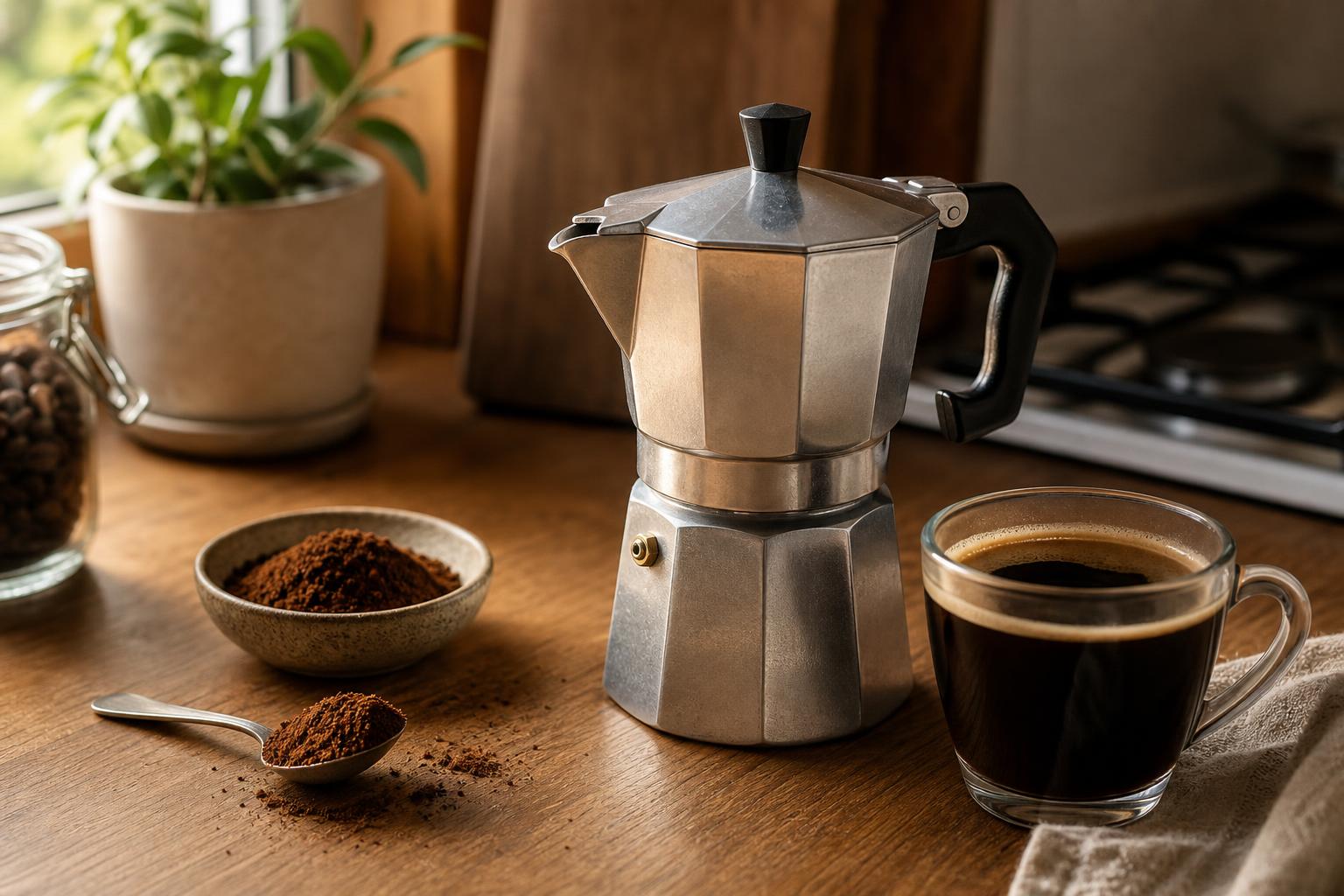
Learn how to use an Italian moka pot with the right grind, heat and filling method. Follow simple steps for rich, balanced coffee at home.
An Italian moka pot is a simple way to make rich, aromatic coffee at home. With the right coffee, moderate heat and a few careful habits, beginners can brew a satisfying cup in minutes.
What Is an Italian Moka Pot?
An Italian moka pot is a stovetop coffee maker made from three connected sections. It is also known as an Italian coffee maker and has been a familiar feature in Italian kitchens for generations.
Unlike a cafetière or filter coffee maker, a moka pot uses heated water and pressure to move water through ground coffee. The brewed coffee collects in the upper chamber, producing a concentrated drink with a full body and pronounced flavour.
Moka pots are usually sized by small espresso-style cups rather than large mugs. Common capacities include one, three, six and nine cups. A three-cup model makes approximately three small portions, not three large servings. Choose a size that matches how much coffee you normally drink because the filter basket is designed for that capacity.
When choosing a moka pot, consider:
- The number of people you usually serve
- Whether it works with your hob
- The material, such as aluminium or stainless steel
- The handle shape and comfort
- The availability of replacement seals and filter plates
- The manufacturer’s care instructions
Explore the related selection here: Coffee beans.
Explore the related selection here: Stainless Steel vs Aluminium Moka Pots: Which to Choose?.
Explore the related selection here: How to Choose the Best Moka Pot Size for One.
Explore the related selection here: Arabica vs Robusta: Choosing an Italian Coffee Blend.
How a Moka Pot Works
A traditional moka pot has three main sections:
- Lower chamber: holds the water
- Filter basket: holds the ground coffee
- Upper chamber: collects the brewed coffee
The lower chamber contains a safety valve. As the water heats, pressure pushes it upwards through a central tube and through the coffee in the filter basket. The brewed coffee then rises into the upper chamber.
Moka pot coffee is concentrated and intense, but it is not technically the same as espresso. It uses lower pressure than a traditional espresso machine. Excessive heat, an unsuitable grind or a damaged seal can affect flavour and safety.
What You Need Before You Start
For a basic moka pot coffee recipe, you need:
- An Italian moka pot
- Fresh drinking water
- Ground coffee
- A suitable hob
- A spoon or small coffee scoop
- A cup or serving jug
A kitchen scale can help you repeat a successful brew, although it is not essential. The filter basket is designed to hold a specific amount of coffee.
Before brewing, check that the filter plate is clean, the rubber or silicone seal is in good condition and the safety valve is clear. Make sure the handle is secure and away from direct heat.
If you use an induction hob, confirm that the moka pot is induction-compatible. Many traditional aluminium models will not work directly on induction. An adapter may be required, subject to the hob and manufacturer’s guidance.
Explore the related selection here: How to Buy Authentic Italian Coffee Online in Europe.
Choosing Coffee for a Moka Pot
Freshly roasted and freshly ground coffee usually provides the most aroma and control. The best coffee depends on your preferred flavour:
- Medium roast: balanced, rounded and versatile
- Medium-dark roast: fuller and more intense, often suitable for milk drinks
- Light roast: brighter and more acidic, but it may need careful brewing
- A blend containing robusta: stronger and more traditional in style
Both single-origin coffees and blends can work well. Beginners can start with coffee labelled for moka, stovetop brewing or espresso-style preparation. However, “espresso” on the label does not always indicate the correct grind size.
Moka Pot Grind Size
The ideal grind is finer than filter coffee but coarser than the powder-fine grind used for some espresso machines. It should feel fine and even, but not resemble flour.
Coffee that is too coarse may taste weak, while coffee that is too fine can slow the flow and create bitterness. Never tamp the grounds. Water needs to pass through them freely. If you buy pre-ground coffee, choose one intended for moka pots and store it in a sealed container in a cool, dry cupboard.
How to Use an Italian Moka Pot Step by Step
Use the following routine as a starting point, then make small adjustments to the coffee or heat if necessary.
1. Fill the Lower Chamber with Water
Separate the lower chamber, filter basket and upper chamber. Fill the lower chamber with fresh water up to, but not above, the safety valve. Keep the valve clear so it can release pressure if necessary.
You can use cool, room-temperature or warm water. Warm water may reduce the time the coffee spends heating, but handle the lower chamber carefully if it becomes hot.
2. Add Coffee to the Filter Basket
Place the basket into the lower chamber and fill it with ground coffee. Fill it level with the rim for the moka pot’s intended capacity. Do not compress the grounds; gently level them instead.
The amount of coffee depends on the pot’s size and basket design. Filling the basket evenly is more reliable than forcing in an extra dose. Wipe away loose grounds from the rim because they can prevent a clean seal.
3. Assemble the Moka Pot
Check that the filter plate and seal are correctly positioned in the upper section. Screw the upper chamber onto the lower chamber until secure, without using excessive force.
Remove grounds from the thread and rim. Do not use the pot if the seal is cracked, loose or badly worn. Replacement seals and filter plates should match the model and size.
4. Brew on the Hob
Place the moka pot over low to medium heat. On a gas hob, keep the flame beneath the base rather than around the sides. Leave the lid open so you can observe the coffee as it rises.
Avoid high heat, which can produce harsh flavours, spluttering and unnecessary pressure. The exact brewing time varies according to the pot, hob and water temperature, so watch and listen rather than relying on a fixed time.
5. Remove It When the Coffee Is Ready
When the upper chamber is mostly filled and the flow becomes pale, uneven or starts to splutter, remove the pot from the hob. Do not wait for prolonged, loud gurgling, as this usually means the pot is overheating.
You can place the base on a cool part of the hob or a heatproof surface. Some users briefly cool the base with running water, but water should be kept away from the handle and upper chamber. Follow the manufacturer’s instructions.
The pot and coffee will be very hot, so use care when opening the lid and pouring.
6. Serve the Coffee
Stir the coffee in the upper chamber before serving. This combines the stronger first portion with the later coffee for a more even flavour.
Serve it in small cups, dilute it with hot water or combine it with warm milk. Moka pot coffee can form the base of a latte-style drink, although its texture differs from espresso made with a machine. Serve soon after brewing and add hot water if the flavour is too intense.
Explore the related selection here: Italian Coffee Roast Levels: Light, Medium or Dark?.
Common Moka Pot Mistakes to Avoid
Using the Wrong Grind
Very fine coffee can restrict the flow and taste bitter. Very coarse coffee may taste watery. Start with a grind between filter and espresso.
Tamping the Grounds
Do not press the coffee into the basket. Fill, level and leave the grounds loose.
Overfilling the Water Chamber
Water must remain below the safety valve. Overfilling can interfere with pressure release and brewing.
Using Excessive Heat
High heat does not make better coffee. It can overheat the pot and create burnt flavours. Use low to medium heat and remove the pot when the flow turns pale.
Leaving the Coffee on the Hob
Take the moka pot away from the heat once the coffee has collected. Continued heating can make the coffee harsh and may damage the pot.
Ignoring the Seal and Safety Valve
Inspect the seal regularly and replace it when necessary. Never obstruct the safety valve, use a damaged pot or open the lower chamber while it is hot or pressurised. Allow the pot to cool first.
Cleaning with Strong Detergent
Follow the manufacturer’s cleaning instructions. In many cases, rinse the cooled parts with warm water and let them dry fully before reassembling. Avoid abrasive cleaners and harsh scouring pads, and do not store the pot while damp.
Occasionally check the filter holes and safety valve for coffee residue. A soft brush can help remove particles. Do not use a dishwasher unless the manufacturer specifically confirms that it is suitable.
With suitable coffee, an even grind and moderate heat, a moka pot can become a dependable part of your daily routine. Start with the recommended filling method, change one variable at a time and note which adjustments improve the flavour.