
Blog
Best Italian Decaf Coffee for Espresso Machines
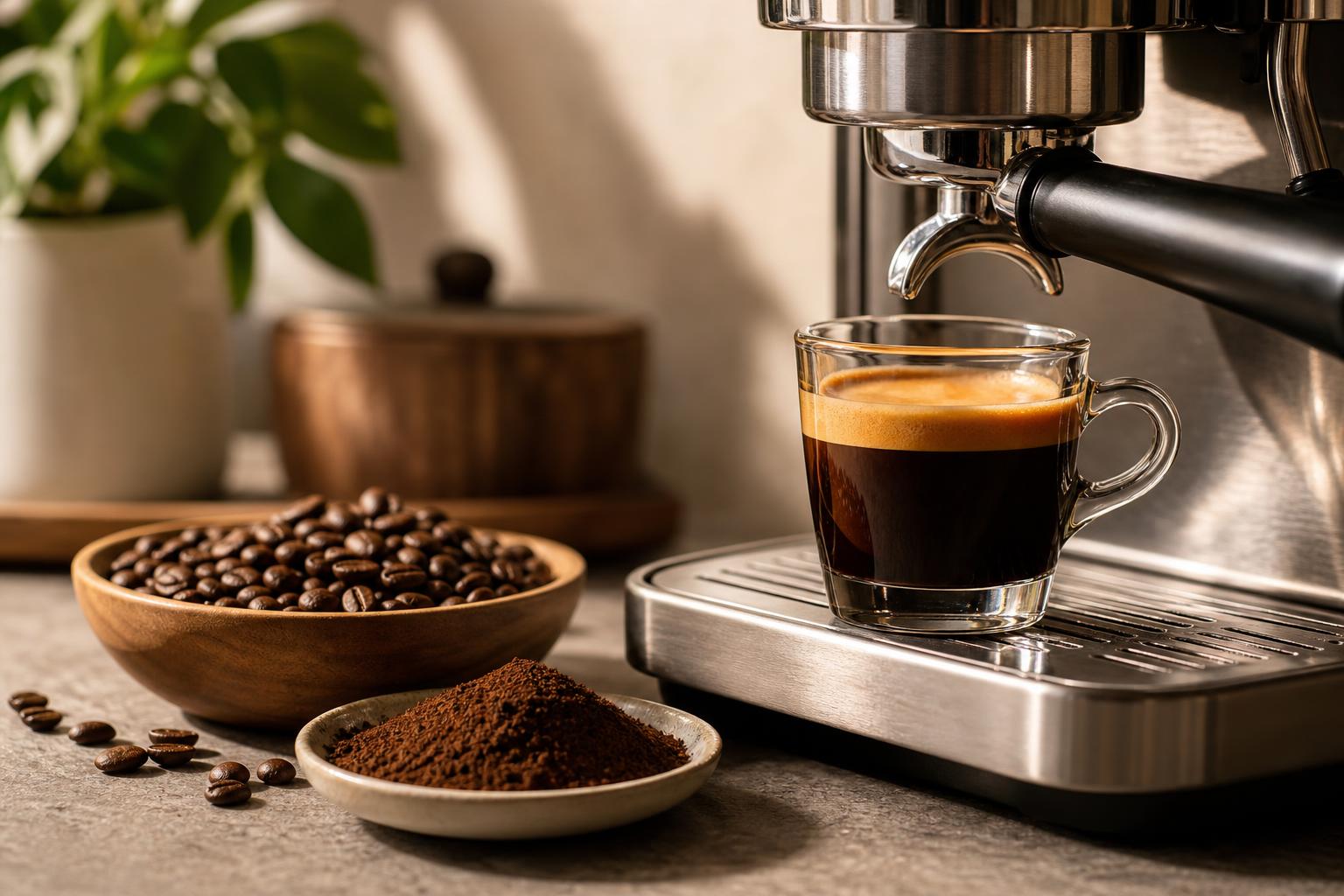
Find the best Italian decaf coffee for espresso machines. Compare beans, grind, roast, decaffeination methods, storage and brewing tips for better results.
Italian decaf coffee can deliver the rich, concentrated character associated with espresso without requiring you to give up your evening cup. The best choice depends on more than the word “decaf”: roast style, bean format, freshness, decaffeination process and your espresso machine all influence the final result.
Best Italian Decaf Coffee for Espresso Machines: What to Look For
Choose coffee designed for espresso rather than a general-purpose product. Look for clear information about the format, roast profile, flavour and best-before date. Packaging should protect the coffee from air, light and moisture.
You will generally choose between:
- Whole decaf beans, ground immediately before brewing
- Ground decaf coffee prepared for espresso or moka pot use
- Lighter, medium or darker roast profiles
- Blends or single-origin coffees
- Different decaffeination methods, when stated on the packaging
Traditional Italian-style blends are often smooth, rounded and chocolatey, while lighter roasts may show more fruit, acidity or floral character. The right option should suit both your espresso machine and your palate.
Explore the related selection here: Coffee Machines.
Explore the related selection here: How to Buy Authentic Italian Coffee Online in Europe.
Explore the related selection here: How to Brew Better Coffee with ESE Pods at Home.
Why choose Italian decaf coffee for espresso?
Italian coffee roasting is closely associated with espresso culture. Many Italian producers develop blends for short, concentrated extraction, balancing sweetness, body and bitterness in a small cup.
Italian decaf is useful when you want the ritual of espresso while reducing your caffeine intake at certain times. It can suit an after-dinner coffee, dessert or evening break. However, decaf does not usually mean completely caffeine-free, so check the product information if this distinction matters to you.
Decaffeination can affect the structure of the bean, and some decaf coffees extract more quickly than comparable regular coffees. You may therefore need small adjustments to the grind or brewing recipe.
Italian espresso coffee is available in Arabica blends, blends containing Robusta and combinations designed for a thicker crema or more traditional profile. Compare the product description with the style you normally enjoy rather than assuming one type is always best.
What makes a good decaf coffee for an espresso machine?
The best decaf coffee beans should be fresh, suitable for your equipment and compatible with your preferred flavour profile.
A clear espresso recommendation
Choose packaging that identifies the coffee as suitable for espresso machines, espresso brewing or fine grinding. Coffee intended for filter brewing may not provide the appropriate resistance or balance in an espresso machine.
A roast profile you understand
Medium, medium-dark and dark roast labels offer a useful starting point. Darker roasts often produce a fuller, more intense cup, while lighter and medium roasts may retain more aromatic detail. Roast labels are not fully standardised, so treat them as guidance rather than exact measurements.
A suitable format
Whole beans provide more control but require a grinder capable of producing a consistent espresso grind. Ground coffee is convenient, although it loses freshness more quickly after opening.
Protective packaging
An airtight bag, often with a one-way valve for whole beans, helps protect coffee from air and moisture. Buy only as much as you can use while it is fresh. Stale coffee can produce a flat aroma and weak or uneven crema.
A flavour description that matches your preferences
Terms such as cocoa, toasted nuts, caramel, spice or dried fruit can help you compare products. They are not guarantees, but they indicate the intended style.
Explore the related selection here: Best Italian Coffee for a Moka Pot: A Practical Guide.
Explore the related selection here: Why Is My Home Espresso Bitter? Causes and Fixes.
Beans or ground coffee: which format is right for your machine?
Whole beans are usually the most flexible choice for home espresso. Grinding immediately before brewing helps preserve aroma and lets you adjust the grind to suit the machine, dose and coffee. A burr grinder is preferable because it produces a more even particle size than many basic blade grinders.
Choose whole decaf beans if you:
- Own a reliable espresso grinder
- Want to adjust the grind for each coffee
- Enjoy comparing Italian coffee beans
- Usually finish a bag before it loses much freshness
Ground decaf coffee is convenient when simplicity matters. Make sure it is ground for espresso, not for a cafetière, filter brewer or, unless appropriate for your machine, a moka pot.
Choose ground coffee if you:
- Do not own a suitable grinder
- Prefer a quick and consistent routine
- Can use the pack while it is fresh
- See a clear recommendation for espresso brewing
After opening, keep ground coffee tightly sealed and use it promptly. Do not store it in the refrigerator, where condensation and odours can affect the grounds.
Decaffeination methods and what they mean for flavour
Decaffeination removes most caffeine from green coffee before roasting. The process may influence the final character, but the original beans, processing, roast and storage also matter.
Water-based processes
These use water as part of the caffeine-removal process. The precise method varies between producers. Some shoppers prefer products that explain the process clearly on the packaging.
Solvent-based processes
Some methods use approved solvents to separate caffeine from green coffee. Check the product information if the specific solvent or process is important to you.
Carbon dioxide processes
Carbon dioxide can also be used for decaffeination. This information is more likely to appear on speciality coffee packaging.
Do not choose solely by method and assume the result will always be better. Consider the complete product, including the beans, roast, producer information and flavour description. If the method is not stated, there is simply less information available for comparison.
Explore the related selection here: Whole Bean or Ground Italian Coffee for Espresso?.
How roast level affects decaf espresso
Roast level affects both flavour and brewing behaviour.
Light roast
Lighter decaf roasts can offer brighter acidity and more noticeable fruit or floral notes. They may require more precise grinding and temperature control, especially in a domestic machine.
Medium roast
Medium-roasted decaf can combine sweetness, moderate acidity and enough body for espresso. It may work well black or with a small amount of milk.
Dark roast
Dark decaf is typically bolder, with flavours associated with dark chocolate, toast, spice or caramelised sugar. It can suit traditional espresso, cappuccino and latte drinks. Very dark coffee may taste bitter if brewed too hot, too slowly or with an overly fine grind.
Roast level is not a quality ranking. It is mainly a guide to the style you can expect.
How to choose Italian decaf coffee for your taste
Start with the drinks you normally make. For a short black espresso with a firm finish, consider a medium-dark or dark blend with a full-bodied description. For cappuccino or latte, chocolate, nutty and toasted notes are likely to remain noticeable through the milk.
For a softer, more aromatic cup, consider a medium roast with caramel, biscuit, fruit or floral notes. Whole beans provide greater control and make it easier to compare different blends.
Also consider how often you drink decaf. Buy smaller packs if it is an occasional choice, and larger packs only if you can use them while fresh.
Before purchasing, check:
- Whether the coffee is whole bean or ground
- Whether the grind is intended for espresso
- The roast level and flavour description
- The pack size and packaging
- Available decaffeination information
- Compatibility with your machine and grinder
Brewing tips for balanced decaf espresso
Begin with a clean, fully warmed machine, fresh water and a correctly prepared basket. If possible, weigh the coffee and espresso output so you can repeat the recipe and make controlled changes.
Use this as a starting routine:
- Grind finely enough for espresso, but not so fine that the machine struggles
- Dose consistently and distribute the grounds evenly
- Tamp level and firmly
- Taste the shot before changing several variables
If the shot runs quickly and tastes thin or sharp, try a slightly finer grind. If it runs slowly and tastes harsh or dry, try a slightly coarser grind. Decaf may need a different setting from regular coffee, even when the roast levels are similar.
Do not judge quality by crema alone. Crema varies with the blend, roast and age of the coffee. Focus instead on aroma, sweetness, balance, body and aftertaste.
For milk drinks, a shorter or more concentrated extraction may help the coffee remain noticeable. With a black espresso, a balanced ratio and moderate extraction can reveal more of its character.
How to store Italian decaf coffee
Keep coffee in its original airtight packaging or transfer it to an opaque, well-sealed container. Store it in a cool, dry cupboard away from sunlight, heat and steam.
Do not leave the bag open beside the machine. Coffee absorbs surrounding odours and is affected by moisture, which can dull the flavour. With whole beans, grinding only the amount you need helps preserve aroma.
Freezing can work in carefully controlled conditions, but it is not necessary for most home users. If you freeze coffee, seal it against moisture and prevent condensation when handling it. For everyday brewing, buying a suitable quantity and storing it well is usually simpler.
Frequently asked questions about Italian decaf coffee
Is Italian decaf coffee completely caffeine-free?
No. Decaffeinated coffee has had most of its caffeine removed, but it is not normally completely caffeine-free. Check the packaging for specific information.
Can I use decaf beans in any espresso machine?
Most espresso machines can use decaf coffee when it is ground correctly and the machine accepts ground coffee or beans. Automatic machines may require a separate compartment or cleaning when switching coffees.
Is whole-bean decaf better than pre-ground coffee?
Whole beans generally offer more freshness and control when ground immediately before brewing. Pre-ground coffee is more convenient and can still produce good results when intended for espresso and stored carefully.
Does decaf espresso taste different from regular espresso?
It can. Decaffeination and roasting may influence aroma, body and extraction, although the difference varies between products. Tasting and comparing is more useful than relying on general assumptions.
Which roast is best for decaf espresso?
There is no single best roast. Medium-dark and dark roasts often suit traditional, full-bodied espresso, while medium and lighter roasts may appeal to drinkers who prefer brighter, more aromatic flavours.
Can I use decaf espresso for cappuccino?
Yes. Choose coffee with enough body and sweetness to remain present in milk. Chocolate, nutty and caramel notes often work well in milk-based drinks.
Choosing the best Italian decaf coffee for your espresso machine
The best Italian decaf coffee is the one that fits your machine, routine and preferred flavour profile. Choose whole beans for maximum control or espresso-ground coffee for convenience, then compare roast level, flavour, packaging and decaffeination information.
Buy an appropriate quantity, store it away from heat and moisture, and expect to make small grind adjustments when switching from regular coffee to decaf. These simple checks can help you enjoy Italian decaf as a reliable part of your home espresso routine, whether you prefer a short black coffee, cappuccino or evening cup.