
Blog
How to Brew Better Coffee with ESE Pods at Home
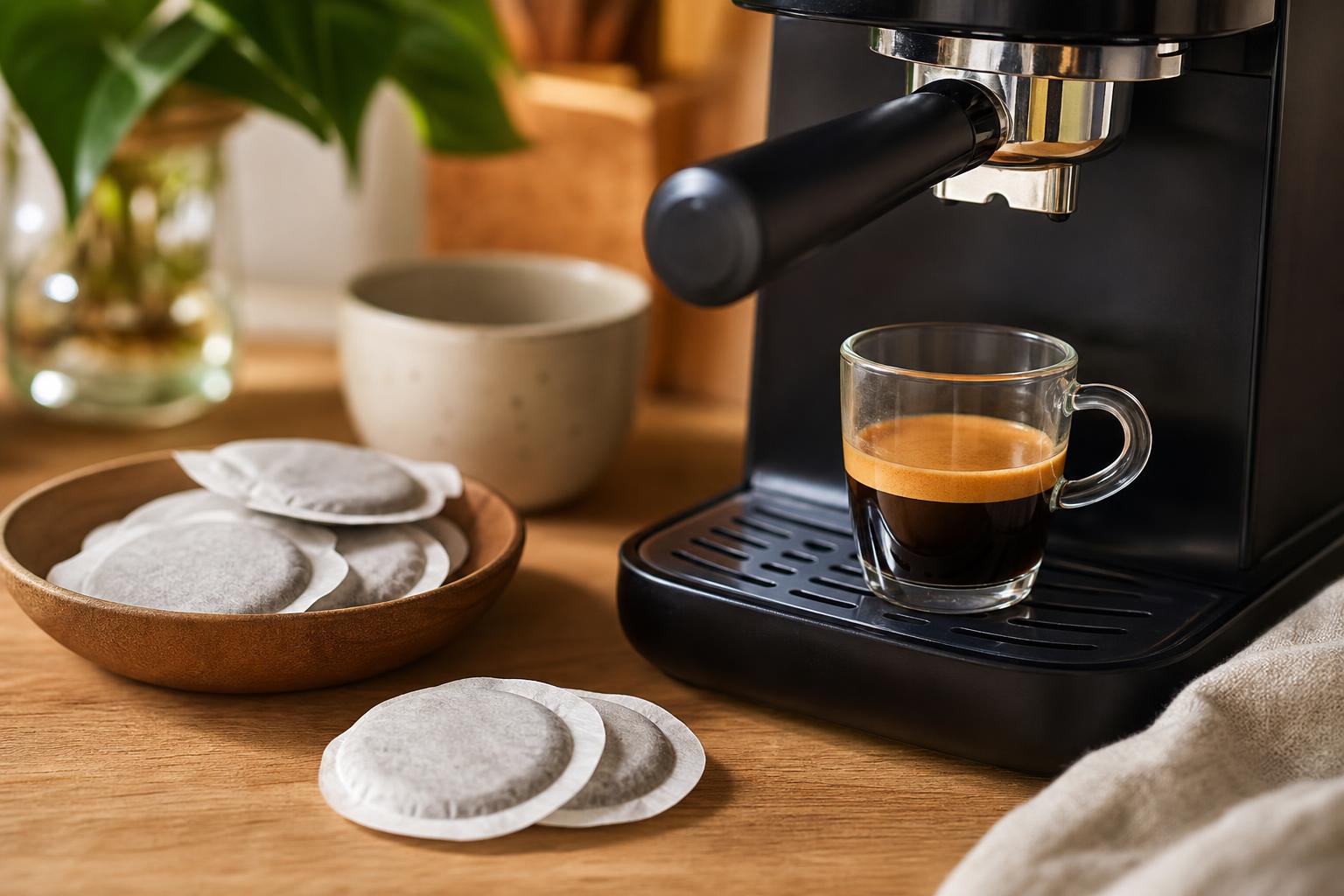
Learn how to make better coffee with ESE pods at home. Discover the right pods, water, temperature, extraction settings and storage tips.
A good cup of coffee with ESE pods depends on more than placing a pod in the machine and pressing a button. The pod, water, temperature, equipment and preparation all affect the final espresso. With a few consistent habits, an ESE pod machine can produce balanced, aromatic coffee with minimal mess.
How to Make Better Coffee with ESE Pods at Home
ESE pods, or Easy Serving Espresso pods, are pre-portioned servings of finely ground coffee sealed in a round paper filter. They are useful for home drinkers who want consistent doses without weighing beans, adjusting a grinder or cleaning loose grounds.
For better results:
- Choose pods that match your preferred roast and flavour profile.
- Check that your machine has an ESE-compatible filter basket.
- Use fresh, good-quality water.
- Warm the machine, holder and cup before brewing.
- Change one brewing variable at a time when troubleshooting.
Authentic Italian coffee pods can be an excellent choice, but the word “Italian” alone does not determine quality or flavour. Roast level, blend composition, freshness and packaging all matter.
Explore the related selection here: ESE Pod Coffee Machine Buying Guide.
What Are ESE Pods and How Do They Work?
An ESE pod is a sealed paper sachet containing a measured portion of ground coffee, usually intended for one espresso. Many are approximately 44 mm wide and contain around 7 grams of coffee, although specifications can vary.
The pod sits in a compatible filter basket. When brewing starts, hot water passes through the paper and extracts the coffee. The used pod can then be removed and discarded, making the process simpler than brewing with loose grounds.
ESE pods are different from coffee capsules:
- ESE pods are made from filter paper and contain loose ground coffee.
- Coffee capsules are usually made from plastic, aluminium or both.
- ESE pods are designed for traditional espresso machines with a suitable basket.
- Capsules require a specific capsule system and are not interchangeable with ESE pods.
Always check the machine instructions and basket size before buying. A standard espresso machine may not work correctly with ESE pods unless it has an ESE-compatible basket.
Choose the Right ESE Pods for Your Taste
The strongest or darkest pod is not necessarily the best one. Choose according to how you drink coffee and which flavours you enjoy.
Consider the roast
- Light and medium roasts can offer brighter acidity, floral notes and fruit flavours.
- Medium-dark roasts often provide more body with caramel, nutty and cocoa-like notes.
- Dark roasts may taste more intense, bitter or smoky, especially when over-extracted.
Look at the blend
Italian coffee blends often combine Arabica and Robusta. Arabica may contribute sweetness and aromatic complexity, while Robusta can add body and a stronger espresso character. The balance varies, so read the product description rather than relying only on the variety name.
For a short espresso, try a full-bodied, balanced blend. If you usually add milk, choose a coffee with enough intensity to remain noticeable in a cappuccino or latte. For a longer black coffee, an aromatic and less heavily roasted pod may be preferable.
Check the packaging date and storage instructions. Freshness still matters even when coffee is individually sealed.
Explore the related selection here: E.S.E. coffee pods.
Check Your ESE Pod Machine and Equipment
A clean, well-maintained ESE pod coffee machine is essential for consistent extraction. Before brewing, check that:
- The machine is compatible with ESE pods.
- The correct ESE filter basket is fitted.
- The group head and pod holder are free from old coffee residue.
- The water tank is clean and filled with fresh water.
- The machine has reached its operating temperature.
- The steam wand, if fitted, is clean and purged after use.
Do not force a pod into a basket that is too small, and do not use an oversized pod without checking the instructions. The paper should sit flat so water can flow evenly through the coffee.
A small espresso cup with a thick base helps retain heat better than a large, cold mug.
How to Prepare an ESE Pod for Brewing
Handle the pod carefully because the paper filter is part of the brewing system.
1. Remove the pod from its packaging without crushing it.
2. Check that the paper is intact and the coffee is evenly distributed.
3. Place the pod centrally in the ESE filter basket.
4. Follow the machine instructions regarding pod orientation.
5. Lock the holder into place without excessive force.
Do not tamp an ESE pod like loose coffee. The dose is already prepared, and pressing it may restrict water flow or damage the paper. If the pod appears too large, check that you are using the correct basket.
A Step-by-Step Method for Better ESE Pod Coffee
Warm the machine and cup
Allow the machine to heat fully. The water may be hot while the group head and holder are still cool if the machine has only recently been switched on. If recommended by the manufacturer, run a small amount of water through the group head to warm the brewing path.
Rinse the cup with hot water or place it on the cup-warming surface. Empty it immediately before brewing.
Insert the pod
Place one fresh ESE pod into the correct basket. Make sure it lies flat and that no paper is trapped around the holder’s edge.
Start and monitor the extraction
Begin brewing and observe the flow. Coffee should generally emerge as a steady stream rather than dripping very slowly or rushing through like clear water. The ideal volume and timing depend on the pod, machine and programmed settings.
Stop at the desired volume
Use the programmed dose if it produces a flavour you enjoy. Otherwise, stop the extraction manually at your preferred strength. A shorter drink is usually more concentrated, while a long extraction can become thin or bitter.
Serve immediately and taste the espresso before adding sugar or milk. This makes it easier to identify whether the issue is strength, acidity, bitterness or temperature.
Use the Right Water and Cup
Water makes up most of the finished drink, so its flavour has a noticeable effect. Use fresh drinking water with a neutral taste. If your local water is very hard or strongly chlorinated, a suitable filter may improve flavour and reduce mineral build-up.
Avoid repeatedly reheating water in the tank. Empty and refill it regularly according to the appliance instructions. Descale the machine as recommended by the manufacturer rather than waiting for performance problems.
A clean, warm, appropriately sized cup helps preserve heat and aroma. For a larger coffee, brew the espresso first and add hot water separately. This usually gives better control than forcing one pod to produce an unnecessarily long extraction.
How to Improve Crema, Strength and Balance
Crema is the light foam that can form on espresso, but it is not the only measure of quality. Focus on aroma, flavour, body and balance.
If the coffee tastes weak:
- Use a shorter extraction.
- Check that the pod is fresh and correctly positioned.
- Ensure the machine is fully heated.
- Confirm that the correct basket is fitted.
- Try a fuller-bodied blend.
If it tastes bitter or harsh:
- Stop the extraction earlier.
- Clean or descale the machine if necessary.
- Avoid allowing the coffee to drip for too long.
- Try a lighter or more balanced roast.
If it tastes sharp or thin:
- Warm the machine and cup thoroughly.
- Check that water is passing evenly through the pod.
- Try a blend with more body.
- Test a slightly shorter or longer volume.
Crema varies with the blend, roast, freshness, machine and extraction settings. Do not judge a pod only by the amount of foam it produces.
Common ESE Pod Problems and Practical Fixes
The pod holder is difficult to lock
The pod may be folded, incorrectly positioned or too thick for the basket. Remove it, check the instructions and place a fresh pod centrally. Never force the handle.
Water flows around the pod
The pod may be too small, damaged or used with the wrong filter. Confirm compatibility and clean the basket and group head.
Coffee flows too slowly
Residue, a blocked basket or a restrictive pod can slow extraction. Clean the equipment and check that you are not using a standard loose-coffee basket.
Coffee flows too quickly
A pale, fast flow may indicate poor contact, an unsuitable filter or too much water. Check the pod position and reduce the brew volume if possible.
The coffee tastes stale
Review the pod’s packaging, age and storage conditions. Keep opened pods sealed and away from heat, humidity and strong odours.
The drink is too cool
Warm the machine, holder and cup. Check whether the machine needs descaling or servicing, and consult the manufacturer’s instructions if the problem continues.
How to Store ESE Pods for Better Freshness
Store sealed pods in their original packaging in a cool, dry cupboard. Keep them away from the oven, hob, dishwasher and sink. Protect them from air, heat, moisture and light.
Do not refrigerate or freeze pods unless the manufacturer specifically recommends it. Condensation can affect both the paper and the coffee. After opening a multipack, close it securely or use an airtight container. Keep pods away from strongly scented foods because coffee can absorb surrounding aromas.
When to Choose ESE Pods, Coffee Beans or a Moka Pot
ESE pods
Choose ESE pods for speed, consistent portions and minimal cleaning. They suit occasional espresso drinkers, busy mornings and households where people prefer different blends.
Coffee beans
Choose whole beans if you enjoy controlling grind size, dose and extraction. A grinder and espresso machine offer more flexibility but require more preparation, cleaning and practice.
A moka pot
Choose a moka pot for strong, concentrated coffee with a different character from espresso. It uses a different brewing method and pressure but remains a useful traditional stovetop option.
ESE pods are particularly appealing when convenience and repeatability matter more than complete control over every brewing variable.
A Simple Routine for Consistently Better ESE Pod Coffee
1. Choose fresh pods that suit your preferred roast and flavour profile.
2. Store them in a cool, dry and sealed environment.
3. Fill the tank with fresh water.
4. Heat the machine, holder and cup.
5. Clean the group head and basket regularly.
6. Position the pod flat without tamping it.
7. Start with the standard espresso setting.
8. Adjust the volume or pod style one change at a time.
9. Taste the coffee before adding milk or sugar.
10. Remove the used pod and rinse the holder after brewing.
Better ESE pod coffee comes from consistent preparation rather than complicated equipment. Start with a compatible machine and a blend you enjoy, then refine the water, temperature and extraction volume to suit your taste.