
Blog
ESE Pod Coffee Machine Buying Guide
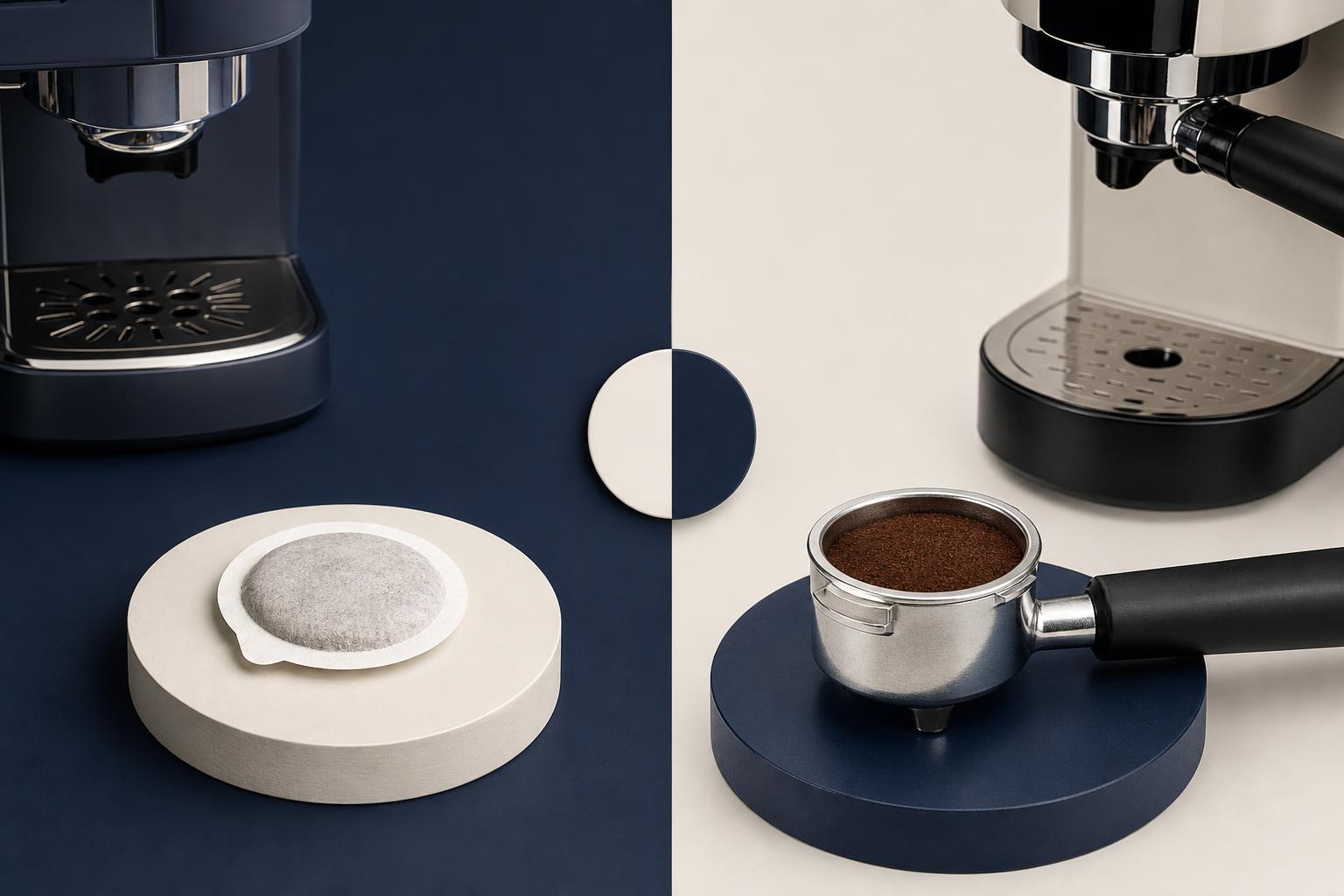
Learn how ESE pod coffee machines work and compare compatibility, features, cleaning, running costs and drink options before choosing a model.
For many coffee drinkers, an ESE pod machine offers a practical balance between traditional espresso preparation and the convenience of a capsule system. It uses pre-portioned coffee sealed in a paper pod, helping you prepare consistent espresso-style coffee with less mess than grinding and dosing fresh beans.
This guide explains how ESE pod machines work, what to compare and how to choose a model that suits your space, coffee habits and budget.
What is an ESE pod coffee machine?
An ESE pod coffee machine is a single-serve espresso machine designed for Easy Serving Espresso pods. These small, round paper sachets contain a measured portion of finely ground coffee, usually intended for one espresso.
Many ESE pods use a 44mm format, but you should check the specifications of both the machine and the pods before buying. Unlike plastic or aluminium capsules, ESE pods are made from filter paper and do not depend on a proprietary capsule system.
To brew, place the pod into the compatible filter holder, lock it into the group head and start the cycle. Depending on the machine, you may be able to prepare espresso, longer coffee and milk-based drinks with a steam wand or separate milk system.
Many Italian roasters produce ESE pods, but roast style, blend and flavour vary between brands. Explore the related selection of Coffee capsules.
Explore the related selection here: How to Descale a Coffee Machine Safely.
Explore the related selection here: How to Choose Reduced-Caffeine Coffee Capsules.
Explore the related selection here: Bialetti Pregiato Coffee Beans 1kg: Brewing Guide.
Explore the related selection here: ESE Pod Size: Check Machine Compatibility First.
How ESE pod machines work
The basic process is simple:
- Fill the water tank with fresh water.
- Place a compatible ESE pod in the filter or pod holder.
- Lock the holder into the group head.
- Start the brewing cycle.
- The machine pushes heated water through the pod and into your cup.
The pump moves water through the compact coffee bed, extracting flavour, aroma and colour before the coffee passes through the paper filter. Some machines have a dedicated ESE filter, while others use a holder for both pods and loose ground coffee.
Pre-measured coffee makes preparation repeatable, but the result still depends on the pod, water quality, brewing temperature, machine design and serving size.
Why choose an ESE pod machine?
An ESE pod machine may suit you if you want espresso-style coffee without the equipment and preparation involved in grinding beans.
Key advantages include:
- Simple preparation: No grinding, tamping or measuring is required.
- Consistent dosing: Each pod contains a prepared portion of coffee.
- Less mess: Used grounds remain inside the paper pod.
- Coffee variety: Pods are available in different roasts, blends and decaffeinated options.
- Potential flexibility: Some machines also accept loose ground coffee.
The main compromise is reduced control compared with freshly ground beans. You cannot change the grind size or dose after the pod has been produced, and pod quality varies. Paper packaging may also not suit every sustainability preference.
ESE pods are useful for drinkers who value speed and consistency. A home barista who enjoys adjusting extraction may prefer a grinder-based espresso machine.
What to consider before buying
Start with your normal coffee routine. Someone making one espresso each morning needs different features from a household preparing several cappuccinos every day.
Ask yourself:
- Will you use ESE pods only, or also brew ground coffee?
- How many drinks will you make each day?
- Do you mainly drink espresso or milk-based coffee?
- How much worktop space is available?
- Would a large water tank be useful?
- Do you need a steam wand or automatic milk system?
- How easy is the machine to clean and descale?
- Are compatible pods easy to find locally or online?
A longer feature list does not automatically mean a better machine. A compact model may be ideal for occasional use, while a larger machine can be more practical for frequent brewing and milk preparation.
Pod compatibility and coffee quality
Check ESE compatibility before comparing other features. Look for clear information about the pod format, diameter and filter holder. Many machines are designed for 44mm ESE pods, but product descriptions may use different terms, so confirm the manufacturer’s instructions.
A machine may technically accept an ESE pod but still be inconvenient if its holder is designed mainly for loose grounds. A dedicated ESE system may make positioning easier.
Coffee quality depends on several factors:
- The freshness and quality of the pod.
- The selected roast and blend.
- Brewing temperature and pressure.
- The cleanliness of the group head and filter.
- The amount of water used.
A darker roast may provide a fuller, more intense taste, while a lighter or Arabica-led blend may be more aromatic. For milk drinks, a coffee with sufficient body and intensity may work better than a delicate blend. Trying small quantities from different roasters can help you find a suitable option. Decaffeinated ESE pods are also available, although strength and flavour vary.
Explore the related selection of Coffee beans.
Water tank, heat-up time and daily convenience
The water tank determines how often you need to refill the machine. A compact tank may be adequate for one or two drinks a day, while a larger tank is more convenient for a busy household. A removable tank is easier to fill and clean.
Heat-up time also matters, particularly if you want coffee immediately after waking. Check the manufacturer’s information about start-up and warm-up requirements.
Useful convenience features can include:
- A cup-warming surface.
- Adjustable coffee volume.
- A clear water-level indicator.
- Automatic switch-off.
- A removable drip tray.
- Space for different cup sizes.
- A two-cup filter.
Choose features that match your routine. A larger tank may take up more space, and advanced controls may be unnecessary if you mainly want one straightforward espresso.
Pressure, brewing control and drink options
Pump pressure is often highlighted in product specifications, but the highest stated figure does not guarantee better coffee. Stable temperature, sensible water flow and easy-to-use controls are more useful for consistent preparation.
Some machines let you select the coffee volume or stop extraction manually. This can help you adjust the drink to your preferred cup size, although a longer extraction is not necessarily stronger or better.
For milk drinks, check whether the model includes a traditional steam wand, an automatic milk system or no milk function:
- Steam wand: Provides more control but requires practice and cleaning.
- Automatic milk system: Convenient, but may have more milk-contact parts to clean.
- No milk system: Keeps the machine simple and compact for black-coffee drinkers.
Some steam wands can also dispense hot water for tea or an Americano, but confirm this in the product specifications.
Size, design and ease of cleaning
Measure the available worktop before buying, paying particular attention to depth. A rear-mounted water tank may need clearance for removal, while a top-loading tank may require space above the machine.
Look for an accessible pod holder, stable cup tray and controls that do not require excessive force. The drip tray should be easy to remove and large enough for your routine.
Important cleaning features include:
- A removable drip tray.
- An accessible brew head.
- A washable filter holder.
- A removable water tank.
- A simple steam-wand cleaning process.
- Clear descaling instructions.
Exterior materials are largely matters of appearance and durability. More important is whether the parts that contact water and coffee can be cleaned thoroughly.
Running costs and ESE pod availability
The purchase price is only one part of ownership. Consider the continuing cost and availability of compatible pods, descaling products and replacement filters if required.
The cost per drink varies by brand and pack size. Compare similar products, since a premium Italian pod and a basic blend may differ in both price and flavour.
Before buying, check whether suitable pods are easy to obtain from local shops or reliable online suppliers. A wide selection gives you more choice of roasts and decaffeinated coffee.
ESE pods also raise sustainability questions. Paper pods may use less complex packaging than some plastic or aluminium capsule systems, but the overall impact depends on packaging, transport, disposal facilities and local waste handling. Follow local guidance instead of assuming every pod belongs in household compost.
ESE pod machines compared with other coffee makers
ESE pod machine: Best for quick, repeatable espresso-style coffee with minimal preparation. It offers more convenience than a moka pot and usually less control than a machine using freshly ground beans.
Moka pot: Compact and closely associated with Italian home coffee culture. It produces a strong, concentrated coffee but requires ground coffee, a suitable heat source and manual cleaning.
Bean-to-cup machine: Grinds and brews automatically, offering a fresh-bean experience with less manual work. It may be larger, more complex and more demanding to maintain.
Traditional ground-coffee espresso machine: Provides greater control over dose, grind and tamping, but requires more equipment, practice and cleaning.
The right option depends on whether you prioritise convenience, control, compactness, fresh grinding or a particular coffee style.
Which ESE pod coffee machine is right for you?
Choose a compact, straightforward model if you:
- Make one or two coffees a day.
- Have limited worktop space.
- Prefer black coffee or occasional milk drinks.
- Want simple preparation and cleaning.
Choose a model with a larger tank if you prepare several coffees for a household or want fewer refills. A two-cup filter may also be useful.
Choose a machine with a steam wand or milk system if you regularly drink cappuccinos or lattes and are willing to clean the milk-contact parts carefully.
Choose a dual-purpose model if you want to use ESE pods now but may explore ground coffee later.
Always confirm pod compatibility, dimensions and cleaning requirements before ordering.
How to use and maintain an ESE pod machine
Use fresh water and store ESE pods in a cool, dry place away from strong odours. Follow the machine’s instructions when inserting the pod, ensuring the paper edges sit correctly without folding.
After brewing, remove the used pod promptly and rinse the filter holder when needed. If the machine has a steam wand, wipe it immediately after use and purge it according to the manufacturer’s guidance. Dried milk can block the wand and affect hygiene.
Regular maintenance should include:
- Emptying and rinsing the drip tray.
- Cleaning the pod holder and brew head.
- Washing the water tank as instructed.
- Descaling at the recommended interval.
- Checking for blocked outlets or reduced water flow.
- Following the manufacturer’s cleaning-cycle instructions.
Weak coffee may result from a mild blend, too much water or incorrect pod positioning. Slow flow can be caused by scale or a blocked filter. Leaks may indicate that the holder is not locked correctly or that a seal needs attention. Switch off and cool the machine before inspecting it.
An ESE pod machine can deliver convenient, consistent coffee with an Italian feel when you choose compatible pods and maintain the equipment properly. Compare size, controls, milk features, cleaning requirements and long-term pod availability before buying.