
Blog
How to Choose Reduced-Caffeine Coffee Capsules
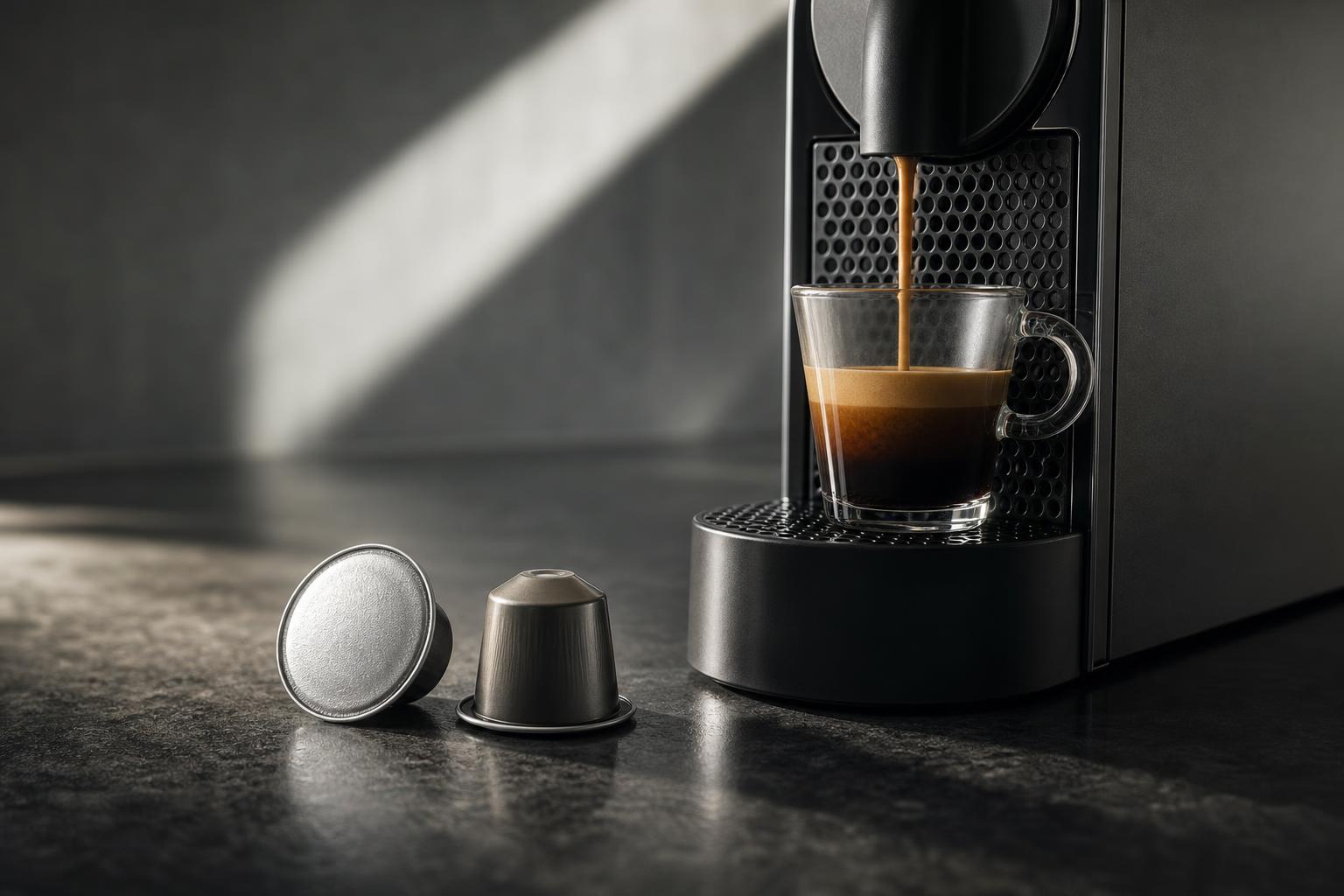
Compare reduced-caffeine and decaffeinated coffee capsules, check Nespresso compatibility, and choose the right blend, roast, freshness, and flavour.
If you enjoy espresso but want to reduce your caffeine intake, reduced-caffeine Nespresso-compatible coffee capsules can be a practical choice. They let you keep the espresso routine while choosing a blend, roast and capsule format that suits your preferences.
Before buying, check what “reduced caffeine” means, whether the capsules fit your machine, and how the coffee is described. Caffeine information, freshness, flavour and serving size can all affect your choice.
What Are Reduced-Caffeine Coffee Capsules?
Reduced-caffeine capsules contain less caffeine than a comparable regular blend, but they are not necessarily caffeine-free. The reduction may result from the coffee varieties used, the production process or both. Exact levels vary, so check the packaging or product description instead of relying on terms such as “light” or “mild”.
These capsules are made for espresso-style brewing in compatible machines. They may suit people who want coffee later in the day, prefer a gentler caffeine intake or enjoy espresso flavour without choosing a fully decaffeinated product.
Reduced-caffeine coffee is available in different blends and roast styles. Some coffees offer chocolate and toasted notes, while others are lighter and more aromatic. Lower caffeine does not automatically mean weaker flavour. Taste depends on the beans, roast, blend and extraction method.
Explore the related selection here: Lavazza Crema e Gusto Forte Capsules Review.
Explore the related selection here: Bialetti Pregiato Coffee Beans 1kg: Brewing Guide.
Explore the related selection here: Caffè Moreno Coffee Guide for Home Brewing.
Explore the related selection here: How to Choose Covim Coffee for Your Home Brewer.
Explore the related selection here: Espresso Bar Vulcan vs Gold Vulcan: Which Should You Choose?.
Reduced-Caffeine vs Decaffeinated Coffee
The terms are related but not interchangeable.
Reduced-caffeine coffee contains less caffeine than a comparable regular coffee, but it still contains some caffeine.
Decaffeinated coffee has undergone a process intended to remove most of its caffeine. It is not usually completely caffeine-free, because small residual amounts may remain.
When comparing decaffeinated and reduced-caffeine coffee:
- Choose reduced-caffeine coffee if you still want some caffeine and an espresso character.
- Consider decaffeinated coffee if you want to minimise caffeine as far as possible.
- Check the manufacturer’s information if you need to monitor caffeine closely.
- Do not assume that “mild” or “low intensity” means low in caffeine.
Intensity mainly describes flavour and body, not caffeine content. A bold-tasting espresso may contain less caffeine than a lighter-tasting coffee, depending on the beans and serving size.
What to Check Before Buying
Online descriptions can use similar language for different products. Compare the practical details rather than relying on one marketing phrase.
Caffeine information
Check whether the coffee is reduced-caffeine or decaffeinated. If a specific amount matters to you, look for caffeine information per capsule or serving. If no exact amount is provided, avoid making precise assumptions.
Origin and blend
Italian coffee may be roasted and blended in Italy, while the beans can come from several growing regions. Blend information can offer useful clues about the likely flavour and style.
Roast and intensity
Darker roasts often bring more bitterness, toasted notes and body. Medium roasts may show more sweetness and aromatic detail. Intensity scales are not standardised, so use them as a general guide rather than a measurement of caffeine.
Capsule format
Confirm that the capsules are intended for your machine. “Nespresso compatible” does not guarantee that every capsule fits every model.
Pack size and freshness
Look for the best-before date, packaging format and storage guidance. Coffee is better protected from air, heat, light and moisture when it is sealed properly. Choose a pack size that suits how often you drink reduced-caffeine coffee.
Recommended cup size
A capsule intended for espresso may taste diluted if used for a much larger drink. Check the recommended extraction volume and adjust it to your preference.
Explore the related selection here: Coffee beans.
Compatibility with Nespresso Original Machines
Many Nespresso-compatible capsules are designed for Nespresso Original machines, but compatibility varies by capsule system and model. Vertuo machines use a different format, so an Original-compatible capsule should not be assumed to work in a Vertuo machine.
Before ordering, check:
- Your exact machine model.
- Whether it uses the Original or Vertuo system.
- The compatibility wording in the product description.
- Any exclusions or model-specific notes.
- Whether the capsule is intended for domestic use or another brewing system.
Capsule shape and the machine mechanism can also affect fit. If you are uncertain, compare the machine manual with the seller’s compatibility information. Never force a capsule into the machine.
“Nespresso” identifies a machine system and trademark. Compatible capsules are made for suitable machines but are not necessarily produced by Nespresso.
Blend, Roast and Flavour Profile
Think about the coffee you normally enjoy when choosing reduced-caffeine espresso capsules.
A medium roast may provide balanced sweetness, moderate body and clearer aromatic notes. It can suit drinkers who prefer a smooth espresso without strong roast bitterness.
A dark roast generally creates a fuller, more intense impression, with possible cocoa, toast, nutty or caramelised notes. It may work well with milk, although each blend differs.
A flavour description may mention:
- Chocolate, cocoa or toasted notes.
- Nutty or caramel-like sweetness.
- Fruit, floral or citrus aromas.
- Creamy body or a persistent finish.
- Bitterness, acidity or roast character.
Descriptions are subjective, but they can help you choose a familiar style. For a first purchase, a balanced blend is often more versatile than an extremely light or heavily roasted option. Remember that intensity describes the sensory impression, not the caffeine level.
Arabica, Robusta and Italian Blends
Arabica and Robusta are the two coffee species most commonly mentioned on packaging.
Arabica is often associated with aromatic complexity, sweetness and a smoother flavour. Depending on its origin and roast, it may show fruit, floral, nutty or chocolate notes.
Robusta can contribute body, bitterness, depth and a more substantial crema. It is often used in traditional Italian espresso blends.
Many Italian blends combine both varieties. A higher proportion of Arabica may suit those who prefer a gentler, more aromatic espresso, while a blend containing Robusta may appeal to drinkers who like a firmer, fuller-bodied cup. There is no universally best option; the right choice depends on taste.
Look for clear information about the blend, roast and production rather than relying only on Italian-themed marketing language.
How Much Caffeine Can You Expect?
Caffeine levels vary according to:
- Coffee species and blend.
- Quantity of ground coffee in the capsule.
- Caffeine-reduction or decaffeination process.
- Extraction volume.
- Machine and brewing settings.
A reduced-caffeine capsule should be understood as lower in caffeine than a comparable regular coffee, not automatically caffeine-free. A larger drink may use a longer extraction or an additional capsule, which affects total intake. Milk changes texture and flavour but does not remove caffeine.
For personal dietary or medical requirements, follow the manufacturer’s information and seek professional advice where appropriate.
Packaging, Storage and Freshness
Aluminium and plastic capsules are both used across the market. The key question is whether the packaging protects the ground coffee from air, moisture and light.
Check whether the capsules are individually sealed or protected by an outer package. Store them in a cool, dry cupboard away from direct sunlight and strong smells. Packaging quality, storage conditions and time since opening can all affect aroma, so do not judge freshness by the printed date alone.
Recycling options vary by material and location. Check the package and local collection guidance rather than assuming all capsules are recycled in the same way.
How to Brew Better Espresso
Allow the machine to heat fully and keep the brewing system clean. Residual coffee oils can affect flavour, especially with lighter or more delicate blends. Start with the extraction volume recommended for the capsule.
For a more concentrated espresso:
- Use the shorter recommended setting.
- Avoid running excessive water through one capsule.
- Serve the coffee soon after brewing.
- Warm the cup if you prefer a hotter drink.
- Add milk after tasting the espresso on its own.
If the coffee tastes thin, try a shorter extraction or check whether the capsule is intended for espresso rather than a larger cup. If it tastes harsh or bitter, reduce the extraction volume and clean the machine.
Are These Capsules Right for You?
Reduced-caffeine capsules may suit you if you want to reduce caffeine without giving up espresso. They can also be useful when alternating between regular and reduced-caffeine coffee during the day.
They may be less suitable if you expect a completely caffeine-free drink or need a precisely controlled caffeine level that is not stated on the packaging. In that case, compare decaffeinated products and review the manufacturer’s information carefully.
Consider your routine:
- For an after-dinner espresso, choose a compact, balanced blend.
- For cappuccinos or flat whites, look for enough body to work with milk.
- For occasional use, choose a smaller pack with good freshness protection.
- For several daily coffees, compare capsule format, blend information and value per serving.
Practical Buying Checklist
Before ordering, check:
- Is the coffee reduced-caffeine or decaffeinated?
- Is the caffeine information clear?
- Is it compatible with your exact machine system and model?
- Is it intended for Nespresso Original machines if required?
- Do the roast and intensity match your taste?
- Is the blend Arabica, Robusta or a combination?
- Does the flavour suit espresso, milk drinks or both?
- Is the packaging sealed to protect freshness?
- Is the pack size suitable for your routine?
- Are storage and recycling instructions provided?
Frequently Asked Questions
Are reduced-caffeine capsules caffeine-free?
No. They contain less caffeine than a comparable regular coffee but are not necessarily caffeine-free. Decaffeinated coffee may also contain small residual amounts.
Can I use these capsules in any Nespresso machine?
No. Compatibility depends on the machine model and capsule system. Check whether the product is intended for Nespresso Original or another format. Original-compatible capsules should not be assumed to work in Vertuo machines.
Do reduced-caffeine capsules taste weaker?
Not necessarily. Flavour depends on the blend, roast, extraction and serving size. A reduced-caffeine capsule can still have full body and pronounced roasted character.
Is intensity the same as caffeine content?
No. Intensity describes perceived flavour, body and roast character. It is not a reliable measurement of caffeine.
Are Arabica capsules lower in caffeine?
Arabica is generally associated with less caffeine than Robusta, but the final amount depends on the blend, quantity and preparation. Check the product information.
How should I store coffee capsules?
Keep them sealed in a cool, dry place away from light, heat and strong odours. Follow the package instructions and avoid buying more than you can use while the coffee is at its best.
Final Thoughts
Choosing reduced-caffeine Nespresso-compatible coffee capsules is mainly about matching caffeine information, machine compatibility and flavour. Check your machine system, distinguish reduced-caffeine coffee from decaffeinated coffee, and compare the blend, roast, packaging and recommended serving size.