
Blog
How to Choose Covim Coffee for Your Home Brewer
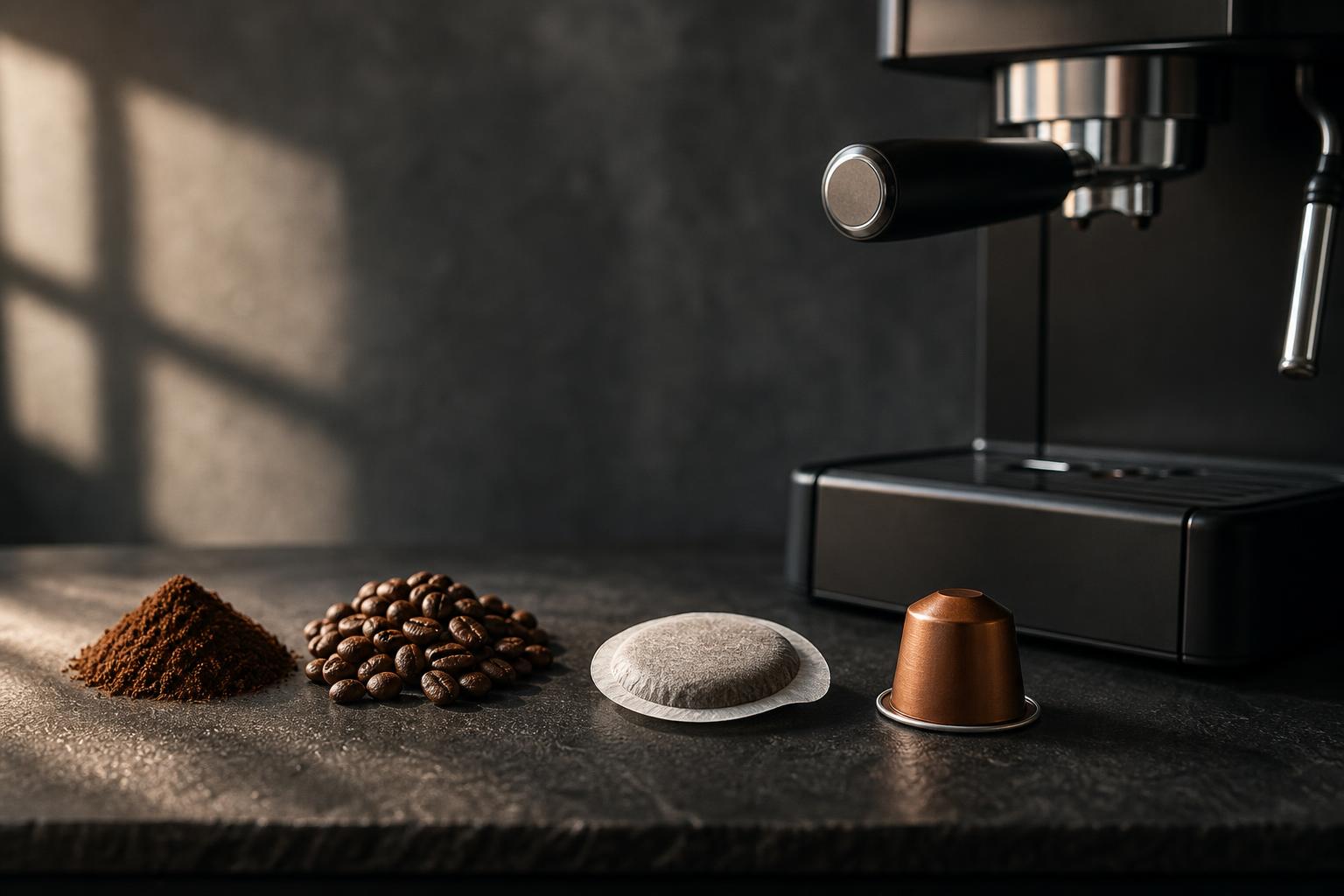
Compare Covim ground coffee, beans, pods and capsules, then find the right format, grind and brewing tips for your moka pot or home machine.
Choosing the right coffee starts before brewing. Covim coffee is available in different formats, and the best option depends on your coffee maker, preparation routine and preference for convenience or control.
This guide compares Covim ground coffee, Covim coffee beans and other compatible formats. It also explains how to choose coffee for a moka pot and how to make a practical buying decision for everyday home brewing.
Start with Your Coffee Maker and Routine
Your brewer determines which formats you can use. Before ordering, check the machine’s instructions and the product description.
- Moka pot: usually needs coffee with a grind suitable for stovetop brewing.
- Espresso machine: generally requires an espresso-appropriate grind unless it uses pods or capsules.
- Bean-to-cup machine: needs whole beans that the machine can grind automatically.
- Filter coffee maker: requires a grind designed for filter brewing.
- French press: normally works with a coarser grind to help reduce sediment.
- Manual grinder and brewer: gives you the most control over beans, grind size and preparation.
Your routine matters too. Ground coffee is ready to use and suits busy mornings, particularly when you do not own a grinder. Whole beans require more preparation but let you grind coffee shortly before brewing and adjust the grind for different methods.
Consider how often you make coffee. Occasional drinkers may prefer a format that is easy to measure and store, while households that brew several cups daily may find whole beans practical if a grinder is already available. If several people share the kitchen, choose the format that works with the brewing method used most often.
Related options are available in the E.S.E. coffee pods selection.
Explore the related selection here: Espresso Bar Vulcan vs Gold Vulcan: Which Should You Choose?.
Explore the related selection here: How to Choose a Borbone Variety Pack for Autumn Hosting.
Explore the related selection here: ESE Pods vs Nespresso-Compatible Capsules for Home.
Explore the related selection here: How Water Quality Affects Espresso at Home—and What Water to Use.
Covim Coffee Formats Explained
Product names and available formats can vary, so read the packaging and online description carefully before ordering.
Covim ground coffee
Ground coffee is ready to place in a suitable brewer. It is often a straightforward choice for moka pots and espresso machines, provided the grind matches the equipment.
Its main benefits are convenience, quick preparation and the fact that no grinder is required. It also supports a consistent daily routine. However, “ground coffee” does not describe one universal texture. Moka pot coffee is generally different from filter coffee, and espresso equipment may require a finer grind. Always check the intended brewing method.
Covim coffee beans
Whole beans suit anyone who owns a grinder or uses a bean-to-cup machine. You can grind only the amount needed and adjust the texture for different brewers. This makes beans a good choice if you enjoy experimenting, changing grind settings or making preparation part of the coffee experience.
Beans are less convenient when you do not have suitable equipment. Buying whole beans without a grinder adds an extra step before every brew, so they are most useful when you are prepared to grind them correctly.
Pods, capsules and compatible formats
Some coffee products are made for particular pod or capsule systems. Compatibility is essential: similar-looking formats are not necessarily interchangeable.
Before buying, check the machine system named in the product description, confirm compatibility with your specific model and review the serving quantity and preparation instructions. Related products can be found in the Coffee capsules selection.
Choosing Covim Coffee for a Moka Pot
A moka pot produces a concentrated stovetop coffee, and the format, grind and preparation technique all affect the result.
Select a suitable grind
Moka pot coffee is generally finer than filter coffee but not as fine as coffee intended for some espresso machines. Coffee that is too coarse may produce a weak or thin cup. Coffee that is too fine can restrict the flow of water, make brewing difficult or contribute to excessive bitterness.
Covim ground coffee is convenient when the description identifies it as suitable for moka pot or stovetop use. If you choose Covim coffee beans, grind them to a medium-fine texture suitable for your particular moka pot and adjust gradually if needed.
Fill the pot correctly
Add water to the lower chamber up to, but not above, the safety valve. Fill the filter basket with coffee and level it gently. Do not press or compact the coffee as you might with some espresso equipment. An even, loose bed allows water to pass through at a steady rate.
Use moderate heat
Use a suitable hob setting rather than excessive heat. When coffee begins flowing into the upper chamber, pay attention to the sound and remove the pot from the heat when brewing is nearly complete. Avoid allowing the coffee to boil aggressively.
Stir the finished coffee in the upper chamber before serving. This distributes the different portions of the brew more evenly. Moka pots are designed for a particular capacity, so use the recommended amount of water and coffee instead of trying to make a much smaller serving in a larger pot.
Ground Coffee or Whole Beans?
The choice between Covim ground coffee and whole beans is mainly a choice between convenience and flexibility.
Choose ground coffee when convenience comes first
Ground coffee is usually the practical option if you:
- Want to brew quickly.
- Do not own a grinder.
- Use one main brewing method.
- Prefer a simple process without adjusting settings.
- Use a moka pot and want an uncomplicated routine.
For many home brewers, ground coffee provides everything needed for a reliable daily cup, as long as its grind suits the equipment.
Choose whole beans when you want more control
Whole beans may be more suitable if you:
- Own a suitable burr or blade grinder.
- Want to grind shortly before brewing.
- Use several brewing methods.
- Enjoy changing grind size and dose.
- Have a bean-to-cup machine.
Whole beans do not automatically produce a better result. The grinder, dose, water and brewing technique still matter. Their main advantage is the control they provide when you are willing to use it.
Roast Style and Blend Profile
Covim product descriptions may refer to intensity, strength, aroma, roast level or blend character. These terms are useful guidance, but the final cup also depends on the brewer, grind, dose and water.
A darker roast is often associated with a deeper, more pronounced coffee character, while a lighter roast may show more noticeable acidity or delicate flavours. A moka pot produces a concentrated drink, so a bold profile may taste particularly prominent. If you prefer a softer everyday cup, look for a description suggesting a balanced or milder profile, where available.
When comparing blends, consider how you drink coffee:
- Coffee served with milk may suit a profile that remains noticeable after milk is added.
- Black coffee allows the roast and flavour description to play a more direct role.
- A concentrated moka pot brew may suit a pronounced blend.
- A longer drink may be easier to enjoy with a balanced profile.
These are starting points rather than fixed rules. Personal preference remains the most important guide.
Brewing, Storage and Equipment Tips
Consistent preparation makes it easier to understand and adjust your coffee. Use the same amount of coffee each time at first. If the cup tastes too strong, reduce the dose slightly or add more water after brewing. If it tastes weak, review the grind, dose and brewing time before changing several variables at once.
Use fresh drinking water and avoid leaving water in the brewer for long periods. Rinse the water chamber according to the equipment instructions.
Keep coffee in its sealed packaging or an airtight container. Store it in a cool, dry cupboard away from sunlight, steam, heat and strong odours. A cupboard is generally more practical than refrigeration for everyday storage because repeated temperature changes can create condensation when the coffee is opened.
Clean moka pots, filter baskets, grinders and machine components according to the manufacturer’s instructions. Coffee oils and residue can accumulate over time. Allow removable parts to dry fully before reassembly, and avoid leaving brewed coffee inside a moka pot for long periods.
A Simple Covim Buying Checklist
Use this decision process before placing an order:
- Brewer: Which coffee maker will you use?
- Format: Do you need ground coffee, whole beans, pods or capsules?
- Grind: Is the grind suitable for your brewing method?
- Compatibility: Will the product work with your machine or capsule system?
- Routine: Do you prioritise speed or preparation control?
- Profile: Does the roast or blend description suit the way you drink coffee?
- Storage: Can you keep the package sealed in a cool, dry place?
- Quantity: Can you use the coffee comfortably within your usual routine?
For a moka pot, choose Covim ground coffee described as suitable for moka or stovetop preparation, or choose whole beans if you have a grinder. For an espresso machine, confirm the grind or format. For a bean-to-cup machine, Covim coffee beans are the natural format to consider. Filter brewers and French presses need their own suitable grind, while pods and capsules require system compatibility.
If speed is the priority, ground coffee or a compatible single-serve format may be best. If experimentation is part of the enjoyment, whole beans offer greater flexibility.
Frequently Asked Questions
Is Covim coffee suitable for a moka pot?
It can be, provided you choose a suitable ground format or grind Covim coffee beans appropriately. Check the product description for moka pot or stovetop guidance and do not compact the coffee in the basket.
What is the difference between Covim ground coffee and beans?
Ground coffee is ready to brew, while whole beans must be ground first unless they are used in a bean-to-cup machine. Ground coffee prioritises convenience; beans offer more control.
Can espresso-ground coffee be used in a moka pot?
It may be possible, but the grind should not be so fine that it restricts water flow. For the most straightforward result, choose coffee described for moka pot or stovetop brewing.
Does a darker roast always make stronger coffee?
No. Perceived strength also depends on the dose, grind, water quantity and brewing method. Roast style influences flavour and aroma but is only one part of the final cup.
What should beginners choose?
Ground coffee is often the simplest starting point, especially for a moka pot or another brewer without an integrated grinder. Match the format to the equipment you already own, then adjust your preparation gradually.