
Blog
Italian Ground Coffee in a Filter Coffee Maker: A Guide
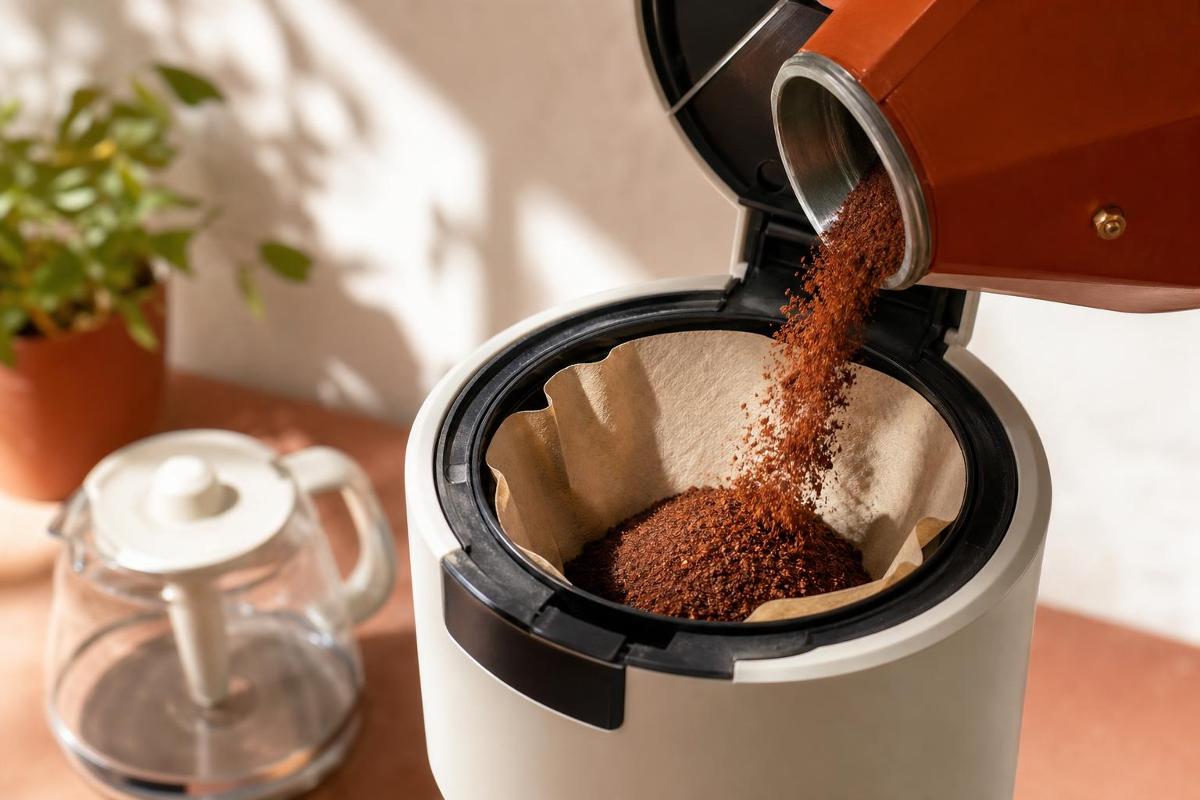
Find out when Italian ground coffee works in a filter coffee maker, how grind size affects brewing, and how to adjust your dose for a better cup.
Italian ground coffee can be used in a filter coffee maker, but the grind needs to suit the machine. Coffee ground finely for a moka pot may brew too slowly in a drip machine, while a medium grind intended for filter brewing is usually a better fit. Check the packaging first, then adjust the dose and brewing method to suit the coffee you have.
Can you use Italian ground coffee in a filter coffee maker?
Yes. “Italian” describes a style or origin, not a single grind size, so Italian ground coffee may be suitable for a filter machine if it is ground for that method. The key is how finely the beans have been ground.
Many Italian coffees are sold ground for a moka pot or espresso-style preparation. These grinds are often finer than the medium grind commonly recommended for a drip filter machine. You can still try them, but water may pass through more slowly, potentially producing a stronger or more bitter cup.
Look for packaging that specifically mentions a filter machine, drip coffee maker or filter brewing. If the pack only says “ground coffee”, check whether it identifies a preparation method elsewhere. When it does not, the coffee’s appearance and a small test brew can help you assess its suitability.
Explore the related selection here: Coffee beans.
Explore the related selection here: Tiramisu Coffee Recipe: Make It at Home.
Explore the related selection here: Tiramisu Coffee at Home: An Easy Alcohol-Free Recipe.
Explore the related selection here: Kimbo Macinato Fresco Coffee: Flavour, Grind and Brewing Tips.
Why grind size matters for filter coffee
In a filter machine, hot water flows through ground coffee and a paper or permanent filter into the carafe. Grind size affects how quickly that water passes through and how much flavour it draws from the coffee.
A medium grind is a useful starting point for most filter machines. The particles should look broadly like coarse sand: not as fine as flour, and not as large as chunky breadcrumbs. A grind that is too fine can slow the flow and make it harder to achieve a balanced brew. A grind that is too coarse may let water pass quickly, leaving the coffee weak or underdeveloped.
There are other variables, including the coffee-to-water ratio, machine design and how fresh the ground coffee is. But grind size is a practical first check if a brew tastes unpleasant or the basket drains unusually slowly.
How to tell whether your ground coffee is suitable
Start with the label. Look for terms such as “filter”, “drip”, “filter machine” or “medium grind”. These are more useful than relying on “Italian” alone, which does not tell you exactly how the coffee was ground.
If the packaging gives no guidance, consider the following:
- Look at the grounds: Filter coffee should generally be medium-ground. Very fine, powdery coffee is more likely to have been prepared for espresso or moka pot use.
- Check the suggested method: A moka pot or espresso recommendation usually signals a finer grind than most drip machines need.
- Read the preparation instructions: Manufacturers may give a dose or brewing method, which can help you judge whether the coffee is intended for your equipment.
- Try a small brew: If the water takes an unusually long time to pass through, or the cup tastes harsh and overly bitter, the grind may be too fine. If it drains quickly and tastes thin, it may be too coarse or under-dosed.
These signs are clues rather than a definitive test. A coffee’s roast level, blend and your own taste also affect the result. If you regularly use a filter machine, buying whole beans and grinding them to a medium consistency gives you more control. If you prefer the convenience of pre-ground coffee, choose a pack that clearly names your brewing method.
How to brew Italian ground coffee in a filter machine
If your Italian coffee is labelled for filter use, follow the machine’s instructions and the coffee maker’s recommended water level. For a first brew, a practical starting point is around 60 grams of coffee per litre of water. Adjust the amount to taste: use a little less for a lighter cup or more for a stronger one.
For coffee labelled for moka pot use, try a smaller brew before deciding whether it works for you. Keep the machine’s water and coffee within its marked capacity, and do not tamp or compress the grounds in the filter basket. A tightly packed, fine bed can slow the flow further.
A few simple filter coffee brewing tips can help:
- Use fresh, cold water and measure the coffee rather than guessing.
- Rinse a paper filter with hot water if your machine’s instructions allow it; empty the rinse water before brewing.
- Spread the grounds evenly in the basket so water can flow through consistently.
- Avoid adding extra coffee to compensate for a brew that tastes weak until you have checked the grind and the water level.
- Clean the basket and carafe regularly, as old coffee residue can affect the taste.
Once brewed, taste the coffee before making changes. If it is bitter or drying, try using a little less coffee, or choose a coarser grind next time. If it tastes weak or sour, check that you have used enough coffee and that the grind is not too coarse. Change one thing at a time so you can tell what has made a difference.
What to expect from the flavour and strength
The flavour depends on the blend, roast and grind, not simply on whether the coffee is Italian. Some Italian blends are designed to produce a full-bodied cup, while others may taste more balanced or gentle. Check the pack for tasting notes and roast information, but treat them as guidance rather than a guarantee of what you will taste at home.
A moka-pot grind may produce a more intense cup in a filter machine if it slows the water’s passage. That does not necessarily mean the coffee contains more caffeine or that it is automatically better. It may simply taste more concentrated or more bitter. To make a less intense cup, reduce the dose slightly or serve it with more hot water, rather than letting it brew for longer.
If you want the rounded, steady character many people associate with filter coffee, use a coffee ground specifically for filter brewing. If you enjoy a stronger, more robust taste, an Italian blend may still suit you; focus on finding a grind and dose that work well with your machine.
Filter coffee grounds versus moka pot grounds
Moka pots and filter machines both use ground coffee and hot water, but they brew differently. A moka pot pushes heated water through a compact bed of coffee, while a drip machine lets water pass through a basket under gravity. Each method works best with a grind suited to its particular flow.
Filter coffee grounds
- Usually medium-ground.
- Intended to let water pass through a filter basket at a steady pace.
- A good starting point for most drip coffee makers.
Moka pot grounds
- Often finer than filter grounds, though the exact grind varies by product.
- Intended for use in a moka pot, where water moves through the coffee under pressure from steam.
- May brew slowly or taste over-extracted in some filter machines.
A moka-pot grind is not the same as an espresso grind, and products vary. Check the preparation instructions rather than assuming all Italian ground coffee is equally fine.
How to choose Italian coffee for your brewing method
When deciding how to choose ground coffee, start with your equipment and preferred cup, then compare the information on the pack.
- For a drip filter machine: Choose a medium grind labelled for filter or drip brewing.
- For a moka pot: Look for coffee that names the moka pot as a suitable method.
- For more than one brewing method: Consider buying whole beans and grinding them as needed, or choose a product whose suggested methods include your equipment.
- For convenience: Pre-ground coffee is easy to use, but buy only what you are likely to use while it remains fresh and follow the storage guidance on the pack.
- For flavour: Read the roast description and tasting notes, then choose according to whether you prefer a lighter, balanced cup or a more intense profile.
Authentic Italian products can offer plenty of variety, but the country or style on the label does not replace practical brewing information. A clear grind description and preparation recommendation are more helpful than a broad claim about strength or tradition.
Common questions about Italian ground coffee and filter machines
Can I put moka pot coffee in a drip coffee maker?
You can try it, but moka-pot coffee is often finer than the medium grind suited to a drip machine. Brew a small amount first, do not tamp the grounds, and watch how quickly the basket drains. If the coffee tastes harsh or the flow is very slow, choose a coarser grind next time.
Can I use espresso-ground coffee in a filter machine?
Espresso-ground coffee is generally very fine for a standard filter machine. It may slow the water flow and create an unbalanced cup. If the pack recommends espresso, a coarser grind designed for filter brewing is usually a better choice.
Will Italian ground coffee taste stronger in a filter machine?
It may taste more intense, particularly if it is finely ground or you use a generous dose. However, “Italian” does not specify a single flavour or strength. Adjust the amount of coffee and check the grind before deciding that the blend is too strong.
How much ground coffee should I use?
Around 60 grams per litre of water is a useful starting point for filter coffee. Adjust to your taste and follow your machine’s capacity markings. For a smaller brew, use the same general proportion rather than filling the basket with an arbitrary amount.
How should I store an opened pack?
Follow the storage instructions on the packaging. In general, keep ground coffee well sealed in a cool, dry place and avoid leaving it exposed to air, moisture or strong-smelling foods.
In short, Italian ground coffee can work in a filter coffee maker when its grind suits the machine. Check the pack for a filter recommendation, begin with a measured brew and adjust one variable at a time. If you are shopping for your next bag, choose coffee labelled for your brewing method or consider whole beans for greater control.