
Blog
Kimbo Macinato Fresco Coffee: Flavour, Grind and Brewing Tips
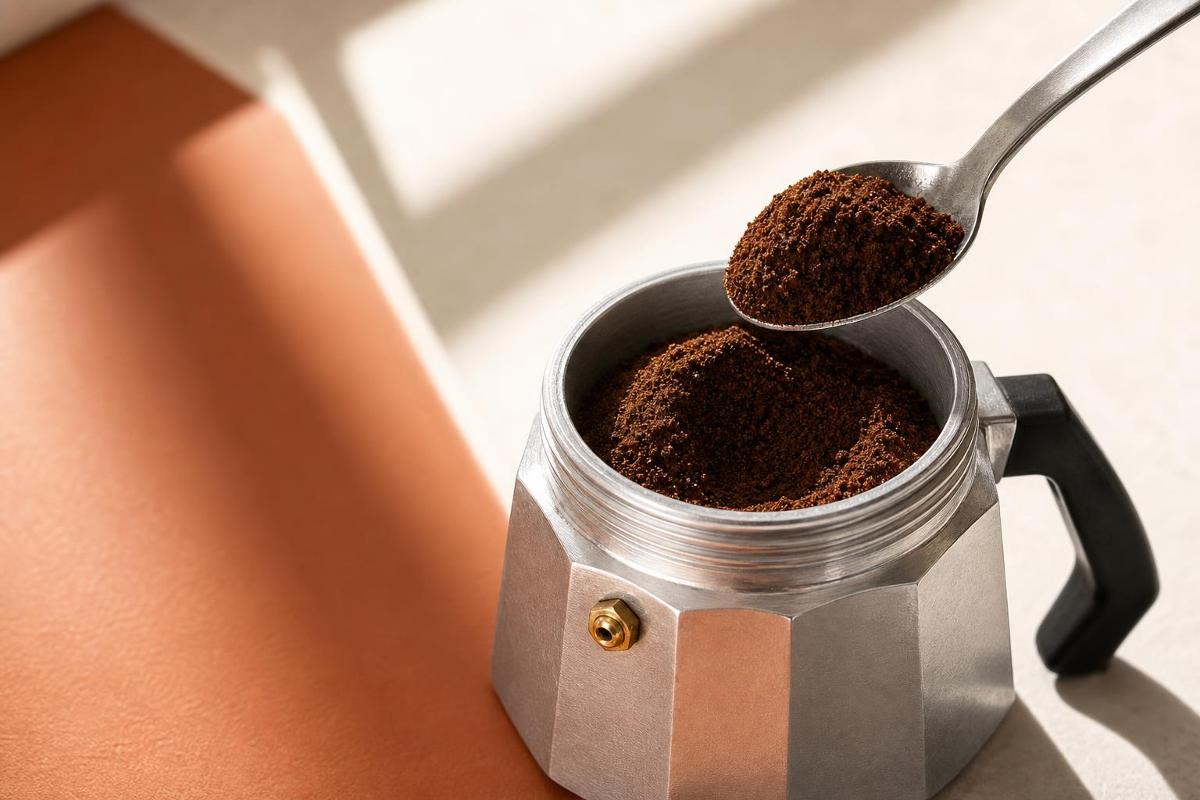
Learn what to check before buying Kimbo Macinato Fresco, including grind suitability, brewing methods, storage and practical moka pot tips.
Kimbo Macinato Fresco is a ground coffee option for home drinkers who want to explore Italian-style coffee without grinding beans themselves. Before buying, check the specific pack or product listing for the blend, roast, grind and recommended brewing methods. These details can vary, and they help you decide whether the coffee suits your equipment and taste.
What Is Kimbo Macinato Fresco Coffee?
Kimbo Macinato Fresco is sold as ground coffee under the Kimbo name. “Macinato” means ground and “fresco” means fresh in Italian. The name alone does not tell you when the coffee was ground, how fine the grind is, or which brewing methods it suits. Check the packaging or seller’s product information for those specifics.
Pre-ground coffee is convenient if you do not own a grinder or want a quicker routine. You can prepare coffee without measuring and grinding whole beans first. The trade-off is less control: you cannot adjust the grind to suit a particular brewer, and ground coffee generally loses freshness more quickly than whole beans after opening.
Start with the way you usually make coffee. A moka pot, espresso machine and filter brewer need different grind characteristics. Do not assume a product is suitable for your equipment based only on its name. Explore the related selection of coffee beans if you prefer to grind coffee yourself.
Explore the related selection here: Dakar Coffee Beans: What to Check Before You Buy.
Flavour and Product Details to Check
Coffee flavour depends on factors including the beans, roast and brewing method. Do not assume that a particular flavour profile, strength or origin applies to Kimbo Macinato Fresco unless it is stated on the specific pack or listing you are considering.
Before ordering, check these details:
- Blend or origin: If the product description names a blend or country of origin, use that information to guide your choice. Do not infer the beans’ origin from the brand or product name.
- Roast and flavour notes: Roast terms and tasting descriptions can help you compare products, but wording may vary between sellers. Treat flavour notes as a guide rather than a promise; your equipment and personal taste affect what you notice.
- Grind suitability: Look for a clear recommendation for moka pot, espresso, filter or another method. “Ground coffee” alone does not confirm that the grind suits your brewer.
- Weight and packaging: Compare the stated weight with how quickly you expect to use the coffee. Check whether the pack reseals or whether you will need an airtight container.
- Preparation instructions: Directions can help establish which equipment the coffee is intended for and how to get started.
Strength labels are not always comparable between brands. They may refer to roast intensity, perceived body or the character of the cup rather than caffeine content. Use any scale as a starting point and consider the product information alongside your own preferences.
Is It Right for Your Brewing Method?
Matching the grind to your coffee maker matters. If it is much too fine, water may pass through slowly and the cup may taste overly intense or bitter. If it is too coarse, water may pass through quickly and the coffee may taste weak or under-extracted. These are general clues, not a complete diagnosis: the recipe and equipment also affect the result.
- Moka pot: A moka pot usually works best with a fine, even grind that is not as powdery as espresso grind. Check that the product is described as suitable for moka pots, or ask the seller if the information is unclear. If you are looking for Kimbo coffee for a moka pot, confirm this before buying rather than relying on the product name.
- Espresso machine: Espresso requires a carefully controlled grind. Some pre-ground coffee is sold specifically for espresso, but do not assume a moka-pot grind will work well in a pump machine. Check the product description and your machine’s instructions.
- Filter or drip brewer: These methods generally need a coarser grind than espresso. Confirm that the product is recommended for filter brewing; a grind intended for a moka pot may not give the result you want.
- French press: This method generally calls for a coarse grind. Fine pre-ground coffee can leave more sediment and make plunging less comfortable. If the grind is not identified as suitable, whole beans ground at home may give you more control.
- Other brewers: Follow the equipment manufacturer’s guidance and compare it with the coffee’s stated grind. If the listing gives no clear indication, contact the seller instead of guessing.
Pre-ground coffee is practical if you mainly use one method and want a straightforward routine. If you switch regularly between brewers, whole beans and a grinder make it easier to adjust the grind.
How to Brew It in a Moka Pot
A moka pot is a stovetop brewer that sends heated water through coffee under steam pressure. It is not an espresso machine, so it makes a different style of coffee. Use the pot’s instructions alongside these general steps, and follow any preparation directions printed on the coffee pack.
1. Check the grind. Confirm that the coffee is suitable for a moka pot. If the product gives different directions, follow them.
2. Add water. Fill the lower chamber to or below the safety valve, according to your pot’s instructions.
3. Fill the basket loosely. Add coffee and level it gently. Do not tamp or compress it, as this can make it harder for water to pass through.
4. Assemble the pot. Keep the rim clean so the parts close securely. Screw the upper chamber on firmly, taking care if the base is warm.
5. Heat gently. Use low to medium heat on a suitable hob. Moderate heat can help the coffee rise steadily and reduce the risk of scorching.
6. Stop when brewing finishes. When the flow becomes lighter or starts to sputter, remove the pot from the heat. Let brewing stop before serving; the pot and coffee will be hot.
7. Adjust next time. If the coffee tastes harsh, try lower heat or a shorter brewing time. If it tastes weak, check the grind, fill the basket evenly and use the amount of water intended for your pot.
Never use a moka pot without water in the base. Follow the manufacturer’s safety and cleaning instructions. If coffee does not flow normally, remove the pot from the heat and let it cool before checking it.
Storage Tips for Ground Coffee
Oxygen, moisture, heat and light can affect ground coffee’s aroma over time. After opening, limit its exposure to air and keep it away from the hob, oven, sink and sunny windows.
- Close the original pack tightly if it seals reliably, or transfer the coffee to a clean, dry, airtight container.
- Store it in a cool, dry cupboard, away from strong-smelling ingredients.
- Use a clean, dry spoon each time; moisture can cause clumping.
- Choose a pack size you are likely to use while the coffee still tastes appealing to you.
A dry cupboard is generally more practical than a warm or damp storage spot. Follow any directions on the product. If you are unsure how long an opened pack will retain its best flavour, use the packaging guidance and your own judgement rather than assuming it will stay unchanged indefinitely.
What to Compare Before You Buy
When choosing Italian coffee, compare practical details rather than relying on the brand name alone. Check that the listing identifies the exact product, weight and packaging being sold, especially if you need a particular grind or format.
Your main considerations are brewing method, grind description, stated roast or tasting notes, pack size, preparation directions and storage information. A clear recommendation for your equipment is especially useful. If the listing is vague, ask the seller before ordering. A larger pack is not automatically the better choice if you will leave it open for a long time.
Also weigh convenience against control. Pre-ground coffee saves time, but whole beans let you grind fresh and adjust the grind for different brewers. If you make coffee in a moka pot most days and the listing confirms a suitable grind, pre-ground coffee may be an easy option. If you use several methods or want to fine-tune extraction, whole beans may offer more flexibility. Neither choice is right for every home.
Frequently Asked Questions
Is Kimbo Macinato Fresco suitable for a moka pot?
It may be, but check the specific pack or product listing. The name does not establish the grind size. If the information is missing, ask the seller before buying.
Is it espresso coffee?
Do not assume so. Moka pots and espresso machines use different brewing processes and may require different grinds. Look for an explicit recommendation for your espresso machine.
Can I use it in a filter coffee maker?
Only if its stated grind and product guidance suit filter brewing. A grind intended for moka pot or espresso may be too fine for some filter methods.
What does “Macinato Fresco” mean?
In Italian, “macinato” means ground and “fresco” means fresh. The wording does not specify the grinding date, roast, blend or grind size. Check the product details for those facts.
Should I choose ground coffee or whole beans?
Choose ground coffee for convenience when its grind matches your brewer. Consider whole beans if you own a grinder, want more control or use several brewing methods.
How should I store an opened pack?
Keep it sealed in a cool, dry cupboard, away from heat, moisture and direct sunlight. Use a clean, dry spoon and follow the packaging advice.
Kimbo Macinato Fresco can be a convenient way to try Italian ground coffee when its product details fit your brewing routine. Check the listing and packaging before buying, follow your coffee maker’s instructions and adjust your method to suit your taste.
Sources
- Coffee Decoded: What is “freshly roasted” coffee?
- What is the Shelf Life of Roasted Coffee? A Literature Review on Coffee Staling
- How to use the Moka Express?
Explore the related selection here: Moka Pot Coffee-to-Water Ratio: A Practical Guide.