
Blog
Dakar Coffee Beans: What to Check Before You Buy
Considering Gattopardo TO.DA Dakar coffee? Check the format, pack size, label details, seller terms and brewing fit before placing your order.
Gattopardo TO.DA Dakar coffee may catch your eye if you are looking for Italian coffee for home. Before you buy, check the product listing and packaging for the details that affect your choice: the coffee’s format, weight, ingredients, roast information and best-before date. These checks can help you decide whether it suits your equipment and routine, without relying on assumptions based on the name alone.
What are Dakar coffee beans by Gattopardo TO.DA?
Dakar coffee is a product sold under the Gattopardo TO.DA name. The name alone does not confirm the blend’s composition, where the coffee was grown, how it was roasted or what it tastes like. Product information can also vary between listings, so check the details provided by the seller for the specific pack you intend to order.
Start by confirming what “beans” means on the listing. It may refer to whole bean coffee, but do not assume the format: look for a clear description of whole beans or ground coffee. If you want to grind coffee at home, this distinction matters. Whole beans require a grinder; pre-ground coffee does not, but its grind size needs to suit your brewer.
The pack size is another basic point to verify. It helps you judge how quickly you are likely to use the coffee and whether the quantity fits your storage arrangements. If the listing provides an ingredient statement, roast information or brewing guidance, read it rather than inferring those details from the product name or packaging design.
For a first purchase, choose a seller’s listing that gives enough information to identify the product and understand what will arrive. If an important detail is missing, contact the retailer before ordering.
What to check on the product label before buying
A clear label makes it easier to compare Dakar coffee with other Italian coffee beans. Check the following details on the listing and, where possible, on the packaging:
- Product format: Confirm whether the coffee is whole bean or ground. If it is ground, look for any stated grind type or brewing recommendation.
- Net weight: Compare pack sizes in grams rather than judging by the appearance of the packaging.
- Ingredients: Read the ingredient information if it is provided. Do not assume the coffee’s composition or the proportions of any blend.
- Roast information: Look for an explicit description, such as a roast level, if this matters to you. Terms such as “Italian” or a product name are not a substitute for a stated roast level.
- Best-before date: Check the date shown on the pack or ask the seller how it is displayed. A clear date can help you plan when to open the coffee.
- Storage instructions: Follow the advice on the packaging, especially after opening.
- Seller and delivery details: Confirm who is selling the product, where it will be dispatched from, and what delivery options and terms apply.
Product photos can help you recognise the packaging, but they may not show every detail clearly. Read the written description as well. If photographs and product text appear to describe different formats or pack sizes, ask the retailer to clarify before you buy.
For online shopping, also check that the selected option is the one you want. A page may offer several sizes or formats under a single product listing. Verify the exact selection in your basket rather than relying on the main image.
How to choose beans for your coffee routine
The right coffee to buy is one that fits your equipment, preferences and pace of use. If you are still learning how to choose coffee beans, work through a few practical questions before placing an order.
Do you have a grinder? If you want to buy whole bean coffee, you will need a grinder. Grinding just before brewing gives you control over the grind size, which is useful when using different brewers. If you do not own a grinder, check whether Dakar is available in a ground format and whether the stated grind is suitable for your machine.
Which brewer do you use most? Moka pots, filter brewers and espresso machines generally need different grind sizes and brewing approaches. If the product listing includes brewing guidance, use it as a starting point. If it does not, avoid assuming that a particular roast or grind is intended for your equipment.
How much coffee do you use? A larger pack may be convenient if you make coffee often, while a smaller one can be easier to finish while keeping the remainder fresh. Think about how many cups you prepare and how frequently you want to reorder.
What information helps you judge taste? If flavour notes or a roast description are provided, consider whether they appeal to you, but treat them as a guide rather than a guarantee. Taste depends on the coffee itself, how it is ground, the brewing method and your own preferences. If the seller gives no tasting information, you may prefer to start with a single pack rather than ordering a large quantity.
Are you buying for yourself or as a gift? For a gift, check the recipient’s brewing equipment and whether they prefer whole beans or ground coffee. A well-presented pack is useful only if its format works for the person who will use it.
These checks make it easier to compare Dakar coffee with other options without relying on vague descriptions. They can also help you avoid buying a format that does not suit your setup.
Using whole beans in a moka pot and other home brewers
If the pack is confirmed as whole bean, grind the coffee before brewing. The grind should suit the brewer: coffee that is too fine or too coarse can affect how water passes through the grounds and the result in the cup. Follow the brewer’s instructions and any grind guidance from the coffee seller or manufacturer.
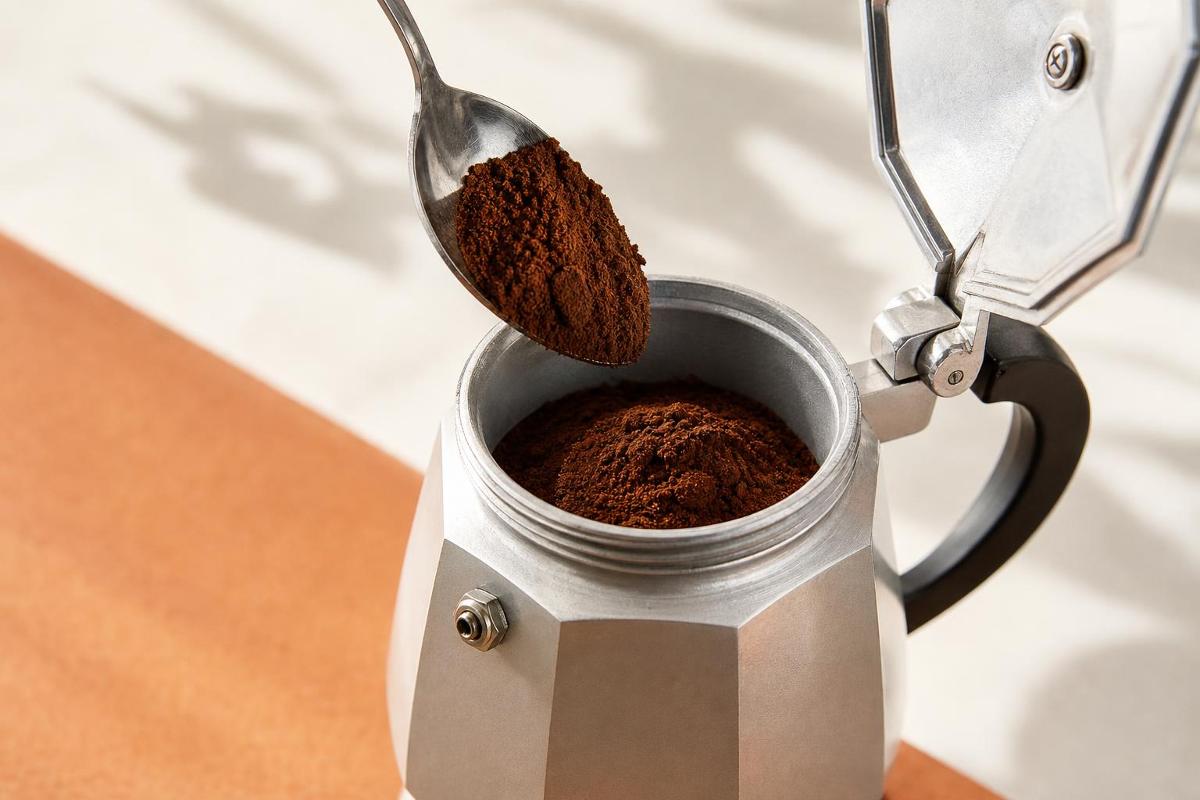
For a moka pot, use coffee ground for that method rather than assuming that espresso-fine grounds will work well. Fill the basket as directed by the moka pot manufacturer and avoid compressing the coffee unless the instructions specifically say otherwise. Use the recommended amount of water, assemble the pot correctly and monitor it while it brews. The moka pot itself will not tell you whether Dakar coffee is a particular roast or blend, so let the product information guide your expectations.
If you are new to moka pot brewing, keep the method consistent while you get to know a coffee. Use the same pot, amount of coffee and water each time. Then adjust one factor at a time, such as the grind, if the result is not to your taste. This makes it easier to identify what has changed.
For other brewers, match the grind to the equipment and start with its recommended method. A filter brewer typically calls for a different grind from a moka pot, while an espresso machine needs a grind that can be adjusted for the machine and the way the coffee extracts. If you do not have a grinder with adjustable settings, a seller’s ground-coffee option may be more practical—provided its stated grind suits your brewer.
Storage tips to keep coffee beans fresh
Once opened, coffee is exposed to air and moisture, which can affect its quality over time. Store the pack according to its label instructions. As a practical general approach, keep coffee in a cool, dry place away from direct sunlight, heat and strong odours.
Close the original packaging carefully if it can be resealed. If not, transfer the beans to a clean, dry, airtight container. Avoid leaving the pack open beside a kettle, cooker or sink, where steam and heat can reach it.
Buy an amount you can use at a comfortable pace rather than keeping a large supply open for a long time. If you buy several packs, keep unopened ones sealed until needed and follow any storage advice on the packaging. Grind only what you need for each brew, since whole beans are easier to store than coffee that has already been ground.
Where to buy Dakar coffee beans and what to compare
When you buy coffee beans online, compare more than the product name. Check that the seller’s listing clearly identifies Gattopardo TO.DA Dakar, specifies the format and pack weight, and provides useful label information. If you are unsure whether the product is whole bean or ground, ask the retailer before ordering.
Compare sellers on practical points:
- Product details: Are the format, weight and available label information easy to find?
- Pack options: Is there a size that suits how often you brew coffee?
- Delivery terms: Are the delivery area, charges, estimated timing and any conditions clearly stated?
- Returns and customer service: Can you find the retailer’s policies and contact details?
- Product consistency: Does the written description match the selected option and the packaging shown?
Do not choose solely on a low listed price or a photograph. The pack size, delivery cost and information provided all affect whether an offer is right for you. If you are comparing several Italian coffee beans, use the same criteria for each: format, weight, ingredient and roast information, seller terms, and compatibility with your brewer.
Before completing your order, check the final basket selection and delivery details. Once the coffee arrives, compare the pack with the listing and follow its storage instructions. This simple check can help confirm that you received the format and size you intended to buy.
In short, verify the label rather than guessing from the name. Confirm the format, weight, ingredients and any roast or brewing guidance, then match the coffee to your equipment and how quickly you will use it. If the details suit your routine, check the retailer’s delivery terms and choose a pack that makes sense for your home.
Sources
Explore the related selection here: Moka Pot Coffee-to-Water Ratio: A Practical Guide.
Explore the related selection here: Moka Pot vs French Press: Which Coffee Maker Is Right for You?.
Explore the related selection here: Vergnano Bio Coffee: Formats, Brewing and Buying Tips.