
Blog
Vergnano Bio Coffee: Formats, Brewing and Buying Tips
Compare Vergnano Bio Coffee formats, check organic details and match the grind to your brewer with practical tips for choosing, brewing and storing it.
Vergnano Bio Coffee may appeal if you are looking for Italian coffee with an organic option, but the right choice depends on the product format and how you brew. Use this guide to compare product details, match the coffee to your equipment and make a more confident purchase.
What Is Vergnano Bio Coffee?
“Bio” is commonly used in Italy to mean organic. Vergnano Bio Coffee therefore refers to coffee sold under Caffè Vergnano’s organic range or label. Product names and formats can differ between shops, so check the current listing and packaging rather than assuming that every item in the range is identical.
If organic status matters to you, look for clear information on the product page and pack. In the UK and EU, organic claims are subject to rules, but the precise labelling and certification details can depend on where a product is sold. Check for the relevant organic certification mark and any stated certification body; do not rely on the word “bio” alone if you need to verify a particular standard.
It is also useful to distinguish the coffee’s organic status from other characteristics. Organic does not, by itself, tell you whether the coffee is whole bean or ground, how it will taste, or which brewing method it suits. Those details should be confirmed separately on the listing.
Caffè Vergnano is an Italian coffee brand, and its products may suit shoppers who want to explore an Italian-style coffee at home. To choose well, focus on the information that affects how you will use it: format, roast description, pack size and any guidance for brewing.
Explore the related selection here: Coffee beans.
Which Vergnano Bio Coffee Format Should You Choose?
Start with your grinder and coffee maker. The format needs to fit your routine, not just sound appealing.
- Whole bean coffee: Choose beans if you own a grinder and want to grind shortly before brewing. This gives you control over grind size, which is useful when switching between equipment. Check that the product is listed as whole bean rather than ground.
- Ground coffee: This is convenient if you do not have a grinder. Check the stated grind or recommended use carefully: ground coffee intended for one method may not perform as well in another.
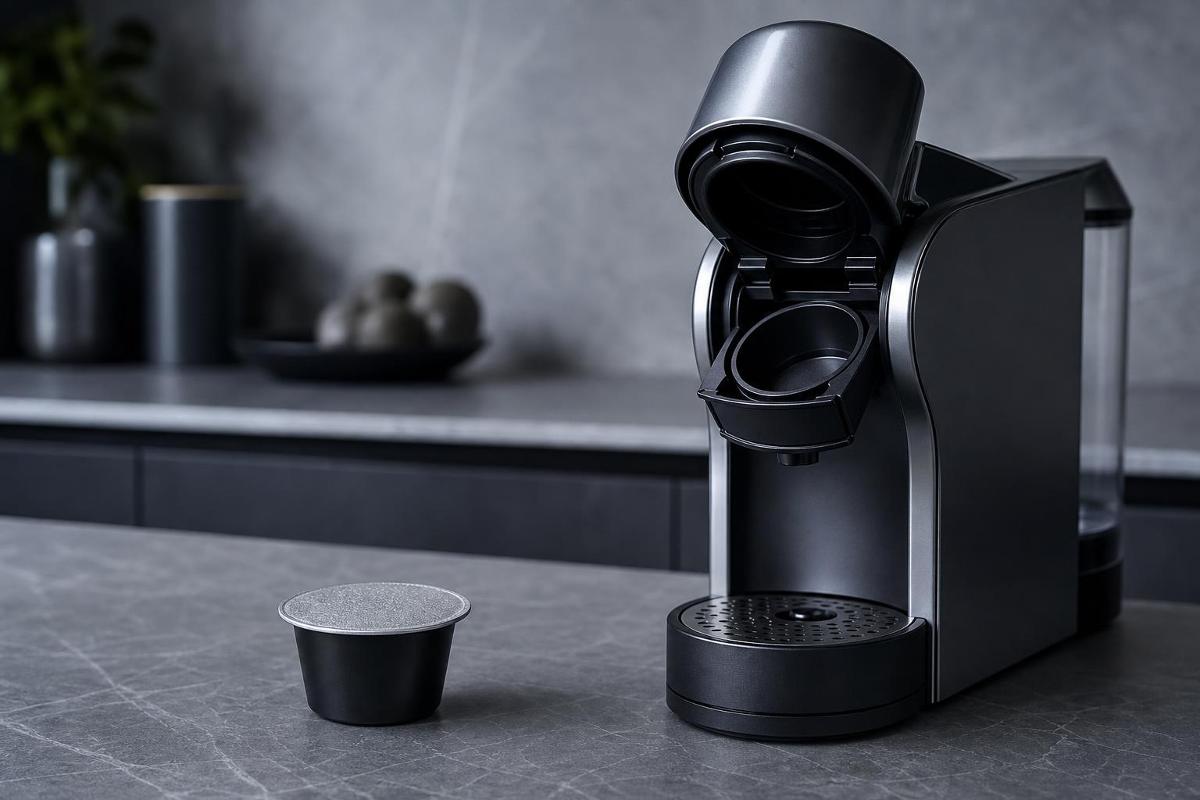
- Capsules or pods: If a listing includes capsules or pods, check which machine system they fit. Compatibility is not universal, so confirm the system name before ordering.
- Other formats: Some retailers may offer different pack sizes or product variations. Read the full description and look at the packaging images where available, especially if the format is not clear from the product name.
For coffee for a moka pot, look for an explicit recommendation or a grind described as suitable for moka. A grind that is too coarse can produce a weak cup, while one that is too fine may slow the flow or make brewing difficult. If the listing does not specify a method, choose a format you can adapt—often whole beans, provided you have a grinder—and adjust the grind for your equipment.
Pack size matters too. A larger pack may be practical if you drink coffee regularly, but buy a size you can use while the coffee is still fresh. If you are trying a product for the first time, a smaller pack can be a sensible way to see whether it suits your taste and routine.
How to Choose the Right Coffee for Your Brewing Method
The best way to choose coffee is to match its format and grind to the brewer. If you are comparing Italian organic coffee options, do not assume that a familiar style or brand name tells you everything about how a particular product will perform.
Moka pot: Choose ground coffee labelled for moka, or grind whole beans to a medium-fine texture. Avoid packing the basket down; level the coffee gently instead. The moka pot works by passing hot water through the coffee under pressure from steam, so the grind and filling method both affect the result.
Espresso machine: Use coffee ground finely enough for your machine, but not so fine that water struggles to pass through. If using whole beans, make small grinder adjustments and change only one variable at a time. For pre-ground coffee, check that the listing specifically says it is suitable for espresso machines.
Filter coffee: Filter brewers generally need a medium grind. Pre-ground coffee intended for filter is convenient, while beans give you the option to grind fresh. Check the brewer’s instructions, as recommended grind and coffee-to-water ratios can vary between methods.
French press: A coarse grind is usually the practical starting point. Fine grounds can pass through the mesh and leave sediment in the cup. If you are buying organic ground coffee, confirm that it is not intended for a finer brewing method.
When a product listing gives no brewing guidance, ask the retailer for clarification or choose a format that offers flexibility. Whole beans are adaptable if you have a grinder; pre-ground coffee is simplest when its grind is clearly matched to your brewer.
Taste is personal, so treat roast descriptions as a guide rather than a guarantee. If you prefer a fuller cup, look for wording that suggests a stronger or darker roast, while lighter-roast descriptions may appeal if you prefer a less intense profile. These terms are not fully standardised, and the result also depends on grind, water and brewing technique.
A Simple Way to Adjust Your Brew
If the cup tastes weaker than you like, try a slightly finer grind or a little more coffee. If it tastes bitter or the brew is unusually slow, try a coarser grind or reduce the brewing time where your equipment allows. Make one change at a time and keep the other variables consistent. This makes it easier to tell whether the adjustment helped.
These are starting points rather than fixed rules. Your brewer, water and personal taste all affect the result, so use the coffee maker’s instructions and adjust gradually.
How to Brew and Store Coffee at Home
Good coffee does not require complicated equipment, but a few consistent habits can help you get more from the pack.
Use fresh, good-quality water and follow your brewer’s instructions. If you have scales, weighing the coffee and water makes it easier to repeat a cup you enjoy. Otherwise, use the same spoon or measure each time and adjust gradually to suit your taste. Avoid changing the grind, dose and brewing time all at once, as it becomes harder to tell what improved the result.
For moka coffee, fill the lower chamber to the indicated level and use hot water only if the manufacturer recommends it. Keep the heat moderate and remove the pot from the hob once brewing is complete. For other brewers, follow the equipment guidance and adjust the grind if the coffee tastes unusually weak, bitter or slow to brew.
Store coffee in its original sealed packaging where practical, or transfer it to a clean, airtight container. Keep it in a cool, dry cupboard away from direct sunlight, heat and strong odours. Avoid leaving the pack open between uses. Coffee can absorb surrounding smells, and exposure to air can affect its freshness.
Whole beans generally give you the option to grind just before brewing. With ground coffee, sealing the pack promptly after each use is especially helpful. Check the best-before date and any storage advice printed on the packaging, and buy an amount that fits your usual consumption.
What to Check Before Buying Vergnano Bio Coffee Online
Online product pages can use similar names for different formats, so read beyond the headline. Before placing an order, check:
- Exact product name: Make sure the listing refers to the Vergnano Bio Coffee product you intend to buy, not another blend or range.
- Format: Confirm whether it is whole bean, ground, capsules or another format.
- Brewing guidance: Look for a stated grind or recommended coffee maker, particularly if you need coffee for a moka pot or espresso machine.
- Organic information: Review the product description and packaging for details that support the organic claim, including any applicable certification mark.
- Pack size: Confirm the weight or quantity and compare like with like when assessing products.
- Packaging and storage: Check how the coffee is packed and follow the storage directions once it arrives.
- Delivery and returns: Review the retailer’s delivery terms, return policy and product condition requirements before ordering.
- Product images and description: If the images and written details appear inconsistent, contact the retailer rather than guessing.
Also check whether the product is intended for your equipment. Capsules and pods may look alike but are not necessarily interchangeable, while ground coffee can vary in grind size. A clear listing should help you establish what you are buying; if a key detail is missing, it is worth asking before checkout.
A useful comparison is to write down the format, pack size, stated brewing method and organic details for each product you are considering. This can help you compare like with like, especially when listings use different names or product images. If a price comparison is important, make sure you are comparing the same quantity and format rather than relying on the headline price alone.
Frequently Asked Questions About Vergnano Bio Coffee
What does “bio” mean on Vergnano coffee?
“Bio” is commonly used in Italy to mean organic. Check the specific product packaging and listing for the certification information relevant to your market, especially if you need to confirm a particular organic standard.
Is Vergnano Bio Coffee available as beans or ground coffee?
Formats can vary by product and retailer. Check the current listing for the exact format rather than assuming that all Vergnano Bio Coffee is sold in the same form.
Which Vergnano Bio Coffee is best for a moka pot?
Look for a product explicitly described as suitable for moka, or choose whole beans if you have a grinder and can adjust the grind. If a listing does not state its intended use, ask the retailer before buying.
Can I use organic ground coffee in an espresso machine?
Only if the grind is suitable for your machine. Check whether the listing specifies espresso use; coffee ground for filter or moka may not give the same results.
Does organic coffee taste different?
Organic status describes how a product is certified and labelled, not a particular flavour. Taste depends on the coffee and how it is brewed, so use the product’s own tasting and roast descriptions as a guide rather than assuming a flavour from the organic label.
How should I store Vergnano Bio Coffee?
Keep it sealed in a cool, dry place away from sunlight, heat and strong smells. Follow the packaging instructions and close the pack promptly after use.
For a straightforward choice, first match the format to your brewer, then check the grind, organic information and pack size. Once you have confirmed those details on the current listing, you can choose Vergnano Bio Coffee with greater confidence.
Sources
- Caffè Vergnano organic operator certificate (EU TRACES, valid 10 July 2024–10 July 2027)
- Regulation (EU) 2018/848 on organic production and labelling
- Organic food: labelling and advertising rules
Explore the related selection here: Aroma Mio Coffee: A Practical Guide to Choosing and Brewing It.
Explore the related selection here: How to Adjust Coffee Strength on a Bean-to-Cup Machine.