
Blog
How to Pair Italian Coffee with Christmas Desserts
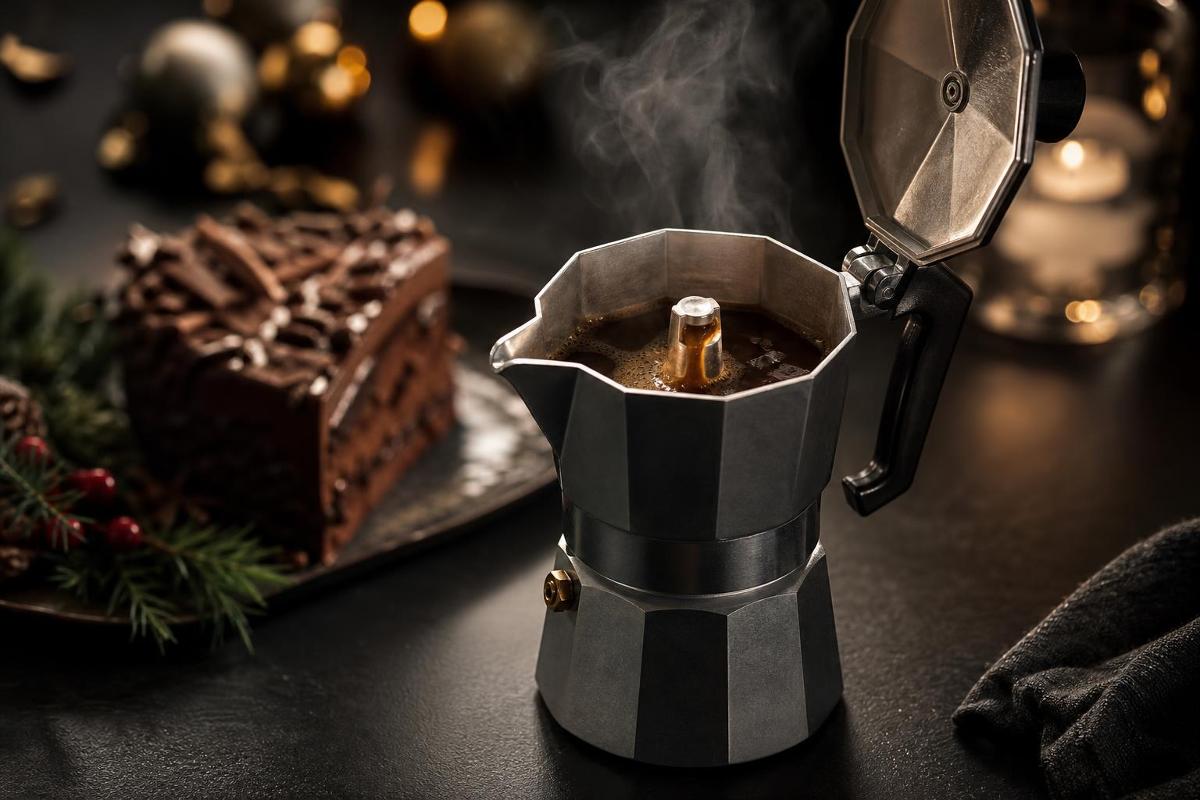
Choose Italian coffee for panettone, pandoro, tiramisu and festive sweets. Compare roast styles, brewing formats and practical pairing tips.
Christmas desserts bring chocolate, dried fruit, warming spices and buttery pastry to the table. The right coffee can complement these flavours without overwhelming them. This guide covers Italian coffee pairings, choosing beans or ground coffee, brewing at home and selecting coffee as a gift.
Why Italian coffee works well with Christmas desserts
Italian coffee is often associated with espresso: a small, concentrated drink served after a meal. Its intensity can balance rich sweets such as chocolate cake, cream-filled pastries and buttery desserts. A gentler cup, meanwhile, can leave delicate flavours such as citrus or almond in the foreground.
There is no single coffee style that suits every dessert. Roast, blend and brewing method all affect the cup. Consider both the dessert and how the coffee will be served: a small espresso offers a different experience from a larger drink made with the same beans. Aim for a pairing where you can taste both the coffee and the sweet.
How to choose Italian coffee for Christmas desserts
Start with three questions: what are you serving, how will you brew the coffee, and how do you like it to taste? This makes it easier to compare coffee beans and ground coffee without relying too heavily on unfamiliar tasting notes.
- Match intensity to richness. A fuller coffee can stand alongside chocolate, cream or nuts. For a simple, lightly sweet pastry, consider a less intense cup.
- Consider the main flavour. Dried fruit, citrus, spice, chocolate and custard call for different approaches. Choose a coffee that complements the dominant flavour rather than competing with it.
- Check the format. Whole beans require a grinder. Ground coffee should suit your equipment; for a moka pot, look for coffee described as suitable for moka or stovetop brewing.
- Think about how you drink it. Milk or sugar can change how the coffee comes across. If you add them, a robust coffee may remain more noticeable; if you drink it black, you may prefer a smoother profile.
- Read the product details. Check the roast description, format and brewing recommendations instead of assuming that a roast label guarantees a particular taste.
If you are unsure, a versatile medium or medium-dark roast is a useful starting point for a mixed dessert table. It is generally easier to pair across several sweets than an especially delicate or very intense coffee.
Roast styles and flavour profiles for festive sweets
Roast descriptions are guides, not guarantees. The beans and brewing method also affect flavour, but roast level can help narrow down your options.
- Light to medium roasts can work well with citrus, fruit or delicate almond notes. They may feel less heavy beside lighter sweets.
- Medium roasts are flexible with pastry and dried fruit, making them a practical choice when serving different desserts.
- Medium-dark to dark roasts can suit chocolate, rich creams and strongly flavoured cakes. They tend to make for a more assertive cup, especially when brewed as espresso or moka coffee.
Tasting notes offer further clues. Cocoa, toasted nuts or caramel may complement chocolate, hazelnuts or browned pastry. Fruitier or floral descriptions may work with citrus, dried fruit or plain panettone. These notes are suggestions, not promises that the coffee will taste exactly like the foods named.
For guests with different preferences, serve a balanced coffee and, if available, a stronger alternative. If you are offering just one, a medium roast is an adaptable option.
Coffee pairings for panettone, pandoro, tiramisu and more
The best coffee for panettone depends on the version being served. Traditional panettone is buttery and contains dried fruit, so medium or medium-dark coffee can provide contrast. Chocolate-filled panettone may call for a fuller cup.
Pandoro is typically soft and buttery, often finished with icing sugar. Pair it with a smooth, moderate-strength coffee so the cake remains the focus. If you add chocolate sauce or cream, a more intense coffee may be a better fit.
For tiramisu, consider the ingredients already in the dessert: coffee, cocoa, mascarpone and often sweet sponge. Balanced espresso or moka coffee can echo its coffee flavour without making the pairing too heavy. A small serving may suit a particularly rich portion better than a large mug.
Other combinations to try include:
- Chocolate cake or biscuits: a fuller coffee with cocoa or toasted notes.
- Nut-filled pastries: a medium roast to complement toasted flavours.
- Citrus cake or almond biscuits: a smoother, less intense coffee that will not dominate.
- Spiced fruit cake: a balanced coffee with enough body to stand alongside dried fruit and spice.
- Sweet cream desserts: a more robust coffee can provide contrast, particularly when served black.
Treat these as starting points, not strict rules. Taste the coffee with the dessert and adjust for its sweetness and richness. If several sweets are on the table, begin with lighter options and move towards richer flavours to keep delicate pairings distinct.
Coffee beans or ground coffee: what should you buy?
Choose the format that suits your equipment and routine. Whole beans let you grind the coffee for your brewing method and adjust the grind if needed. They are a good option if you already own a grinder and enjoy experimenting.
Ground coffee is convenient when you know which method it is intended for. A grind suited to an espresso machine may not work the same way in a moka pot or filter brewer. For moka coffee, choose a product described as suitable for moka or stovetop use and follow the producer’s instructions.
Before ordering, check whether the coffee is whole bean or ground, which brewing method it suits, and its roast and flavour description. Check the pack size and storage guidance too, so the amount fits your plans.
When buying for someone else, do not assume whole beans are always the better gift: the recipient needs a grinder. Ground coffee may be more useful for someone who wants a simple routine. Matching the format to their equipment is often more important than the packaging.
Brewing Italian coffee at home for a festive dessert table
A little preparation helps you serve coffee with dessert without leaving guests waiting while you manage the equipment. For moka coffee, use a suitable grind and follow the instructions for your pot. Do not pack the coffee tightly into the basket; allow it to brew as designed, then pour it promptly rather than leaving it to sit in the pot.
With an espresso machine, use coffee ground for the machine and follow its guidance on dose and extraction. If you use pre-ground coffee, check that it is intended for espresso. For other brewing methods, follow the equipment instructions and choose a brew strength that sits comfortably beside the dessert.
For a relaxed gathering, prepare cups and serving items in advance, offer small servings, and put milk and sugar on the side. If you are serving several desserts, begin with gentler pairings and move to richer ones. For a larger group, prepare manageable batches and serve the coffee while fresh rather than making more than you can serve at once.
Specialist equipment is not necessary for a thoughtful pairing. Suitable coffee, preparation that follows the equipment instructions and attention to the dessert are enough.
Choosing Italian coffee as a Christmas gift
Start with the recipient’s equipment and coffee habits. For a moka pot user, look for ground coffee labelled for moka or stovetop brewing. Someone with a grinder can use whole-bean coffee and choose a grind to suit their method. If you are unsure, discreetly check what they already buy or use.
Then consider their preferences. A fan of chocolate desserts may enjoy a fuller roast, while someone who prefers lighter pastries may favour a balanced or gentler profile. If their taste is uncertain, choose a versatile coffee in a format they can prepare with their existing equipment. Clear information about roast, format and brewing suitability is more useful than an elaborate tasting description. Check product details and packaging before buying, especially if the gift needs to be posted.
Frequently asked questions
What is the best coffee to serve with panettone?
A medium or medium-dark coffee is a practical starting point for traditional panettone, balancing its buttery cake and dried fruit. For a chocolate-filled version, try a fuller coffee. The best match depends on the filling and personal taste.
What coffee should I pair with tiramisu?
Try balanced espresso or moka coffee to complement the coffee and cocoa in tiramisu. Serve a modest portion if the dessert is particularly rich, or choose a milder brew if you want its creamy layers to remain the focus.
Is dark roast always better with desserts?
No. Darker roasts can suit rich chocolate or cream desserts, but may overwhelm delicate sweets. A medium roast is often more versatile when serving several desserts.
Should I buy beans or ground coffee for a moka pot?
Either can work if the grind is appropriate. Choose whole beans if you have a grinder; otherwise, look for ground coffee labelled for moka or stovetop brewing.
How do I choose coffee for a mixed Christmas dessert table?
Choose a balanced coffee that can pair with several sweets and serve small cups. If offering two coffees, serve a gentler option with fruit or plain cake and a fuller one with chocolate or cream.
For a simple starting point, pair a balanced Italian coffee with the dessert you most want to serve, then consider roast and format in light of your brewing method. Check product details before ordering and choose coffee that will be straightforward to prepare at home.
Sources
- Certified Italian Espresso — Italian Espresso National Institute
- Pairing coffee with basic tastes and real foods changes perceived sensory characteristics and consumer liking
- How to Maximize the Flavor Potential of Your Brewed Coffee
Explore the related selection here: How to Clean a Coffee Capsule Machine at Home: A Practical Guide.