
Blog
How to Clean a Coffee Capsule Machine at Home: A Practical Guide
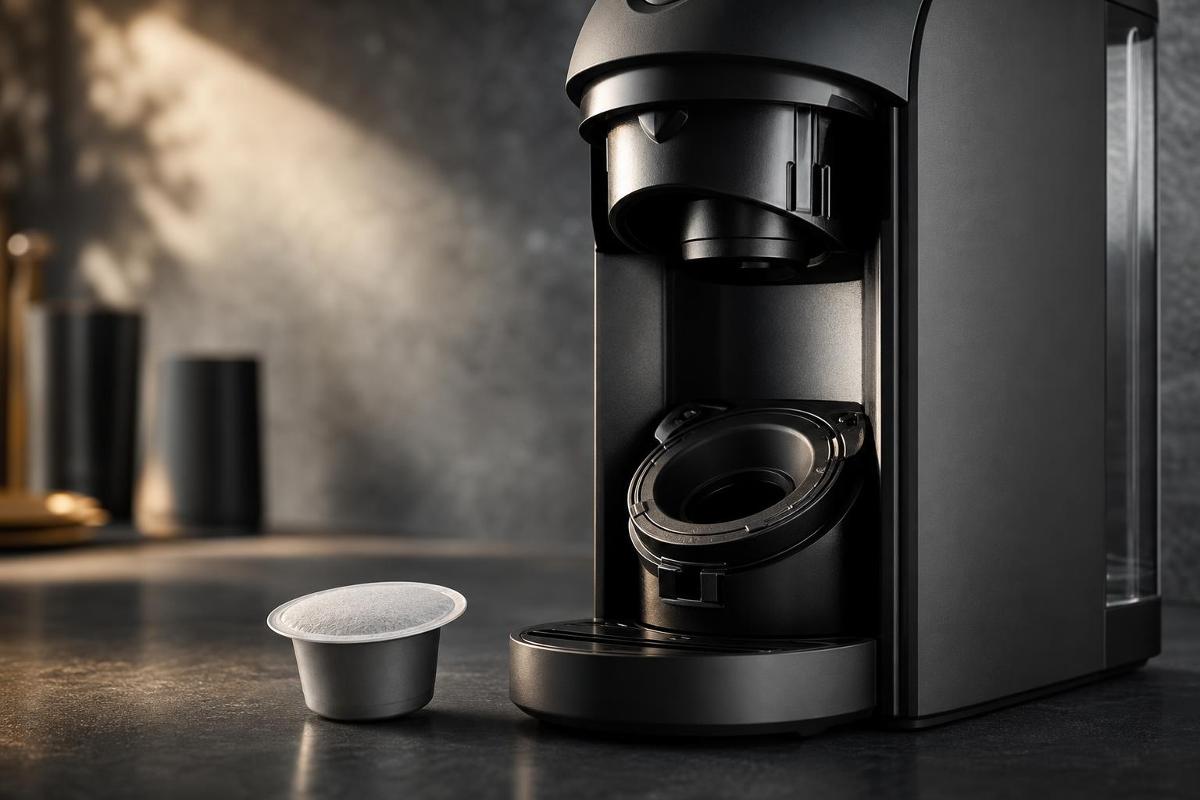
A clean coffee capsule machine is easier to care for when you make a few simple tasks part of your routine. Learn how to clean a coffee capsule machine at home, which…
A clean coffee capsule machine is easier to care for when you make a few simple tasks part of your routine. Learn how to clean a coffee capsule machine at home, which parts need attention and when to descale, while always checking the instructions for your specific model.
Why regular cleaning matters
Coffee residue, splashes and standing water can build up in and around a capsule machine. Cleaning the removable parts and wiping the machine regularly helps keep the brewing area tidy and your appliance in good working order. It also gives you a chance to spot issues such as a blocked outlet, damaged seal or cracked water tank before they become more troublesome.
Cleaning and descaling are both important, but they do different jobs. Everyday cleaning removes visible residue and used coffee grounds; descaling addresses mineral deposits that can accumulate inside the water circuit. Neither task needs to be complicated, but the right method depends on your machine.
Explore the related selection here: E.S.E. coffee pods.
What you’ll need before you start
For routine coffee machine cleaning, gather:
- A clean, soft cloth or non-abrasive sponge
- Mild washing-up liquid
- Fresh water
- A small brush, if recommended for your model
- A dry towel
- A container large enough to catch water during rinsing
Use only products and tools approved by the manufacturer. A compatible descaler may be needed for periodic maintenance, but check the manual before choosing one. Some machines require a specific type of descaling solution, while others advise against particular ingredients or methods. Avoid abrasive pads, strong cleaning chemicals and household cleaners unless your manufacturer explicitly permits them.
How to clean a coffee capsule machine at home
A straightforward routine has four parts: prepare the appliance, wash the removable components, wipe the exterior and capsule area, then rinse the machine. The instructions below are general guidance rather than a replacement for your model’s manual. Designs differ, so follow the manufacturer’s directions whenever they differ from these steps.
Switch off and prepare the machine
Switch off the machine and unplug it before cleaning, unless the manual gives a different instruction for a particular maintenance process. Let any hot components cool. Remove the water tank, drip tray, cup support and used-capsule container if they are designed to come out.
Empty the capsule container and discard used capsules according to your local recycling or waste arrangements. If a capsule is stuck, do not force the lever or reach into the mechanism. Follow the manual’s guidance for safely removing it.
Put a towel beneath or beside the machine if you expect drips, and keep the plug and electrical connections away from water. Never immerse the machine body or pour water over it.
Clean the removable parts
Wash removable parts in warm water with a little mild washing-up liquid. Use a soft sponge to remove coffee splashes and residue, paying attention to corners and surfaces that are easy to miss. Rinse each part thoroughly so no detergent remains, then leave it to air-dry or dry it with a clean towel before putting it back.
Check first whether each component is dishwasher-safe. Some parts may be suitable for a dishwasher, while others can be damaged by heat or detergent. If the instructions are unclear, wash them by hand.
To clean the coffee machine water tank, empty it and wash it by hand with warm water and mild washing-up liquid, unless the manual specifies otherwise. Rinse it well and let it dry before refilling. If the tank has narrow corners, use a soft bottle brush only if it is suitable for that part. Do not use a scouring pad, which may scratch the surface.
Wipe the exterior and capsule area
Wipe the outside of the machine with a soft, slightly damp cloth. Use a dry cloth afterwards, and take care around buttons, openings and the power connection. Do not spray cleaning solution directly onto the appliance.
Open the capsule compartment as directed by the manufacturer and wipe accessible surfaces with a clean, damp cloth. Remove loose coffee residue gently; a small soft brush can help if the manual permits it. Do not insert tools into the piercing plate, outlet or other openings, and do not dismantle parts that are not intended to be removed for cleaning. These areas can be sharp or delicate.
If you notice a persistent build-up in a hard-to-reach part, check the manual for approved cleaning steps rather than scraping at it.
Rinse the machine
Once the washable parts are clean and dry, reassemble the machine. Fill the tank with fresh water and place a suitable container under the coffee outlet. Run a water-only cycle without a capsule if your model supports this. Repeat if the manual recommends it or if you can still see detergent residue.
Some machines have a dedicated rinse or cleaning programme. Use it according to the manufacturer’s directions, including any instructions about the capsule holder or lever. When the rinse is complete, empty and dry the drip tray, then refill the tank with fresh water before making coffee.
Cleaning versus descaling: what’s the difference?
Cleaning removes visible dirt, coffee residue and used grounds from parts such as the drip tray, capsule container and accessible brewing area. It is the routine care you can usually do at home with a cloth, mild detergent and water.
Descaling removes mineral deposits that can form inside the machine as water passes through it. The frequency and method depend on the machine, water conditions and how often it is used. A machine may indicate when descaling is due, or the manual may give a suggested interval.
To descale a coffee capsule machine, follow the model’s programme and use only a solution the manufacturer approves. The process often involves running solution through the machine and then rinsing it with fresh water, but the exact steps vary. Do not assume that vinegar or another household ingredient is suitable: using an unapproved product or procedure could damage the appliance or leave unwanted residue.
When selecting a descaler, check that it is explicitly compatible with your machine and follow the product directions as well as the manual. A compatible product and the correct process matter more than choosing a solution based on broad claims on the packaging.
How often should you clean and descale your machine?
Clean the drip tray, used-capsule container and water tank regularly, ideally as part of your normal use routine. Emptying the capsule container before it becomes full and rinsing the tank when you refill it can help prevent residue and stale water from being left inside. Wipe the capsule area and exterior whenever you notice splashes or coffee grounds.
Descaling does not have one universal schedule. Check the manual or the machine’s display for guidance, and take account of how often you make coffee and the water used in your home. If your machine has a descaling alert, do not ignore it; use the recommended procedure rather than guessing at a more frequent or less frequent interval.
A simple routine can help: quick checks after use, washing removable parts regularly, and descaling when the manufacturer advises. Keep the manual accessible so you can confirm the right steps when needed.
Common cleaning mistakes to avoid
- Cleaning while the machine is hot or connected to power: Switch it off and let hot parts cool before routine cleaning, following any model-specific instructions.
- Putting the machine body under water: Wipe the exterior instead; keep water away from electrical parts.
- Using abrasive tools: Scouring pads and stiff brushes may mark surfaces or damage components.
- Forcing stuck capsules or removable parts: Stop and consult the manual rather than applying extra pressure.
- Using an unapproved descaler or household substitute: Check compatibility and follow the specified descaling procedure.
- Skipping the rinse: After a cleaning or descaling cycle, complete the rinse steps in the manual before brewing again.
- Reassembling wet parts: Allow components to dry before putting them back, unless the manufacturer advises otherwise.
When to check the manual or contact the manufacturer
Check the manual before cleaning any part whose removal or care instructions are unclear, before using a dishwasher, and whenever you plan to descale. It is especially important to consult it if your machine has a cleaning programme, indicator lights or a particular procedure for the capsule holder.
Contact the manufacturer or an authorised service provider if the machine leaks, makes an unusual noise, displays an error that does not clear, or continues to brew poorly after the approved cleaning and descaling steps. Do not open the machine casing or attempt repairs unless the manufacturer says this is safe. If the appliance is under warranty, check its terms before arranging a repair.
Regular care need not take long: empty the used-capsule container, clean the removable parts, wipe the machine and rinse it as directed. For deeper maintenance, follow the manufacturer’s descaling guidance and choose only compatible products. These habits help you care for your machine with confidence and get back to enjoying your coffee.