
Blog
Aroma Mio Coffee: A Practical Guide to Choosing and Brewing It
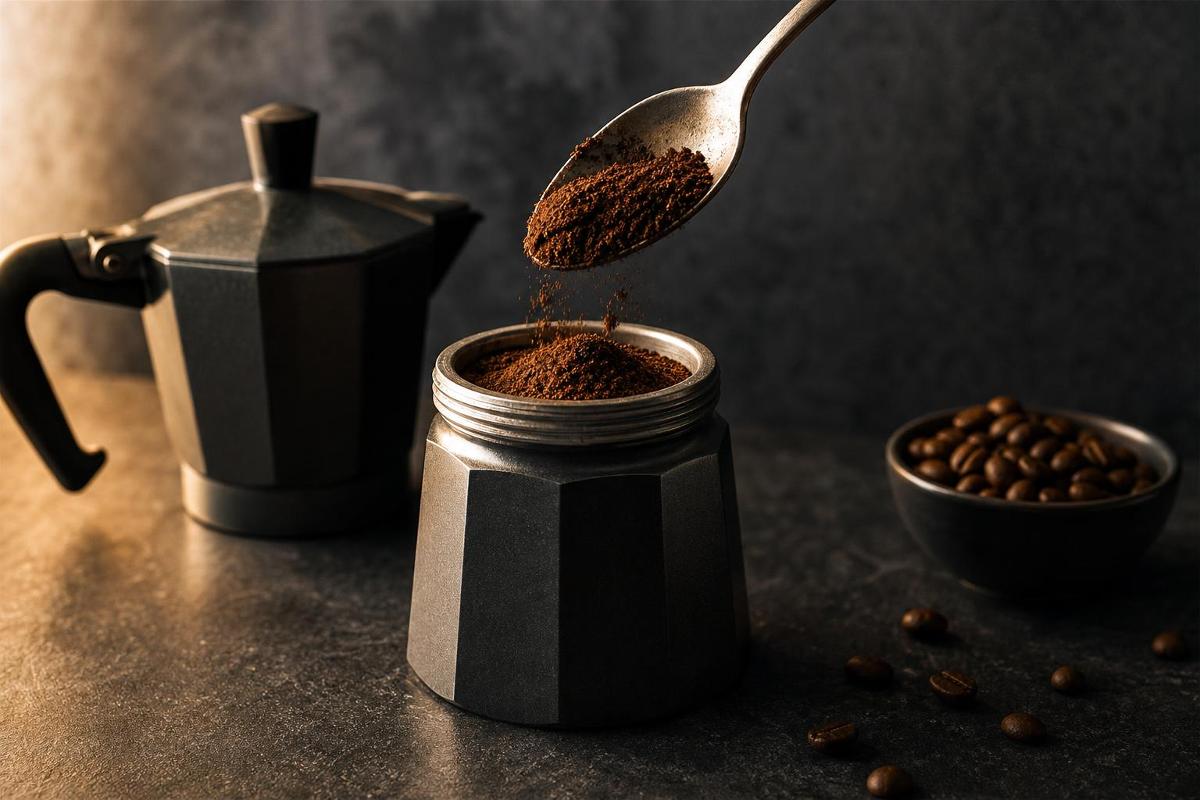
Aroma Mio coffee is best chosen by checking the details on the specific product listing rather than relying on the name alone. Bean or ground format, roast…
Aroma Mio coffee is best chosen by checking the details on the specific product listing rather than relying on the name alone. Bean or ground format, roast description and grind size all affect how it works at home. If you are considering a moka pot, a few simple brewing adjustments can help you get a balanced cup without specialist equipment.
Introduction: What to know about Aroma Mio coffee
Aroma Mio coffee may appeal if you are looking for Italian coffee to enjoy at home, but the name alone does not tell you what is in a particular pack or how it will taste. Product details can vary, so check the current listing for information such as whether the coffee is sold as whole beans or ground, its stated origin and roast, and any brewing guidance.
This guide explains how to assess those details and choose a method to suit your routine. It also covers how to brew coffee in a moka pot, adjust your coffee grind size and store coffee once it is open. Where a product detail is not provided, it is better to treat it as unknown than to guess.
How to assess an Aroma Mio coffee product
Start with the practical information on the pack or product page. It can help you decide whether the coffee suits your equipment and preferences.
Check:
- Format: Is it whole-bean coffee or pre-ground coffee? Whole beans give you control over the grind, but need a grinder. Ground coffee is convenient, though the listed grind may not suit every brewer.
- Intended brewing method: Look for any stated recommendation, such as moka pot, espresso machine or filter coffee. A recommendation is useful, but your own equipment and taste matter too.
- Coffee details: Check whether the listing identifies the origin, blend composition, roast level or flavour notes. These details are not always provided. Do not infer them from the brand or packaging.
- Pack size and freshness information: Check the net weight and any best-before or packing details shown. For coffee, the date and storage guidance can be more useful than buying a larger pack by default.
- Preparation instructions: If the seller provides brewing guidance, use it as a starting point. You can adjust the method gradually to suit your cup.
If you are buying online, read the full description rather than relying only on the product title or a photograph. If an important detail is missing, such as whether the coffee is pre-ground, contact the seller before ordering.
Coffee beans, roast and flavour: what the product information can tell you
A coffee listing may use terms such as “light”, “medium” or “dark” roast. These describe how the beans have been roasted, but the labels are not always used consistently between producers. Roast level can offer a broad clue about the style of coffee; it cannot tell you everything about its flavour.
If tasting notes are provided, treat them as a guide rather than a guarantee. Descriptions such as chocolate, fruit or nuts refer to flavours a taster may notice, not necessarily ingredients added to the coffee. Your perception will also depend on the water, grind, dose and brewing method.
Origin and blend information can help you understand how a coffee is presented, but do not assume that every Italian coffee has the same origin, roast or taste. Italy has a long coffee culture, yet products sold as Italian coffee can differ considerably. Check the listing for specifics about the coffee itself.
If you are choosing coffee beans, think about how you like to drink coffee and whether you want to experiment with grinding at home. Whole beans can be ground shortly before brewing, while pre-ground coffee saves time. Neither format is automatically the right choice for everyone.
Is Aroma Mio coffee suitable for a moka pot?
Suitability depends on the format and grind of the specific product, so check the current Aroma Mio listing or packaging. Whole beans can be ground for a moka pot if you have a grinder. Pre-ground coffee may also work, but it is worth checking whether the grind is described as suitable for moka pot use.
A moka pot needs a grind that is finer than many filter-coffee grinds, but generally not as fine as a typical espresso grind. An unsuitable grind can affect extraction: coffee that is too coarse may taste weak or thin, while coffee that is too fine can make the flow slow and the cup harsh or bitter.
A moka pot brews concentrated coffee using steam pressure. It is not the same as an espresso machine, and its coffee will not necessarily have the same texture or crema. If the product information does not specify a brewing method or grind, you can still try it, but expect to make small adjustments.
How to brew coffee at home: practical steps for a moka pot
Moka pots come in different sizes, so follow the maker’s instructions for your model. A typical stovetop method is:
1. Add water to the lower chamber. Use fresh water and fill to just below the safety valve; do not cover it.
2. Fill the filter basket with coffee. Add coffee loosely and level it off. Do not tamp or press it down.
3. Assemble the pot carefully. Make sure the rim is clean and the upper and lower sections are securely joined.
4. Heat gently. Place the pot on a low-to-medium heat setting, using a burner that suits its base. Keep the handle away from the flame or heating element.
5. Watch and listen. Coffee will rise into the upper chamber. When the flow turns pale or begins to sputter, take the pot off the heat. Avoid leaving it on the hob to boil dry.
6. Serve promptly. Stir the coffee in the upper chamber if you want to even out the stronger first part and lighter final part.
Some people prefer to start with hot water in the lower chamber to reduce the time the coffee spends heating. If you try this, handle the base carefully with a cloth or oven glove when assembling the pot. For a first attempt, the standard method in your moka pot’s instructions is a sensible place to begin.
Use a stable heat setting and do not force the pot open while it is hot or pressurised. Clean it according to the manufacturer’s advice once it has cooled.
Choosing a grind and adjusting your method
Coffee grind size affects how quickly water extracts flavour. As a starting point, aim for a medium-fine grind for moka pot brewing: finer than a typical filter grind, but not powdery. Grinder settings vary, so the best setting may take a little testing.
Make one change at a time, keeping the pot, coffee amount and heat as consistent as you can:
- The coffee tastes weak or watery: Try a slightly finer grind, if you are grinding whole beans, or check that the basket is filled evenly. Do not tamp the coffee.
- The coffee tastes harsh or bitter: Try a slightly coarser grind or lower the heat. Remove the pot from the hob as the coffee flow begins to sputter.
- The brew comes through very slowly: The grind may be too fine, or the coffee may be packed too tightly. Loosen the coffee in the basket and try a coarser setting.
- The result varies from cup to cup: Check that you are using the same amount of coffee and water each time, and that the pot is clean and assembled correctly.
If you buy pre-ground coffee, you cannot change its grind. You can still adjust the heat and follow the basket and water-fill guidance carefully. For other brewing methods, such as filter coffee or a cafetière, the ideal grind differs, so check the brewer’s instructions rather than assuming one grind suits all.
How to store coffee and keep it fresh
After opening, keep coffee in an airtight container in a cool, dry place, away from direct sunlight, heat and strong-smelling foods. Follow any storage instructions on the packaging.
Whole beans generally hold their freshness better than ground coffee because less of the coffee is exposed to air. If you use beans, grind only what you need for each brew where practical. With pre-ground coffee, seal the pack or transfer it to a suitable airtight container and avoid leaving it open between uses.
Buy a pack size you are likely to use while the coffee is still enjoyable to you. There is no need to buy more than your household can comfortably get through. Refrigeration is not usually necessary for everyday storage and can expose coffee to moisture and odours when it is repeatedly taken in and out.
Aroma Mio coffee: common questions
Is Aroma Mio coffee sold as beans or ground coffee?
That depends on the specific product. Check the current listing and packaging for the format; do not assume that every Aroma Mio product is sold in the same way.
Can I use Aroma Mio coffee in a moka pot?
Check whether the product is whole-bean or pre-ground and look for a moka pot recommendation. Whole beans can be ground to suit the brewer. With pre-ground coffee, the listed grind can help you judge whether it is a practical match.
What does Italian coffee mean on a product listing?
It can describe a style or association, but it does not by itself confirm the coffee’s origin, roast or flavour. Look for those details separately if they matter to you.
How fine should coffee be for a moka pot?
A medium-fine grind is a useful starting point: finer than many filter grinds, but not as powdery as a typical espresso grind. Adjust according to the taste and flow of the brew.
Can I use moka pot coffee in a filter brewer?
You can try it, but the grind may not be suitable. A grind that is too fine for a filter brewer can slow the flow and affect the result. Check the product description, or choose coffee ground specifically for your filter method.
How to choose the right option for your coffee routine
The right choice depends on how you brew and how much control you want. If convenience matters most, look for a pre-ground product whose listed grind suits your brewer. If you own a grinder or want to try different methods, whole beans offer more flexibility.
For moka pot use, prioritise a suitable grind or choose beans you can grind yourself. If flavour details matter to you, look for a product listing that clearly describes the roast, origin or tasting notes rather than relying on general labels. Consider pack size too: a smaller pack may be more practical if you drink coffee occasionally or are trying the product for the first time.
There is no single setting or coffee that suits every drinker. Start with the information the seller provides, follow your brewer’s instructions and adjust one brewing variable at a time.
Conclusion
Choosing Aroma Mio coffee starts with checking the details of the specific product: its format, any stated grind and the brewing guidance provided. For a moka pot, use a suitable grind, avoid tamping and brew over gentle heat. Once you have chosen a product, follow its instructions and make small adjustments until the cup suits your taste.
Sources
- How to use the Moka Express? — Bialetti
- Coffee Decoded: What is “freshly roasted” coffee? — Specialty Coffee Association
- What is the Shelf Life of Roasted Coffee? A Literature Review on Coffee Staling — Specialty Coffee Association
Explore the related selection here: How to Adjust Coffee Strength on a Bean-to-Cup Machine.