
Blog
Why Is My Home Espresso Bitter? Causes and Fixes
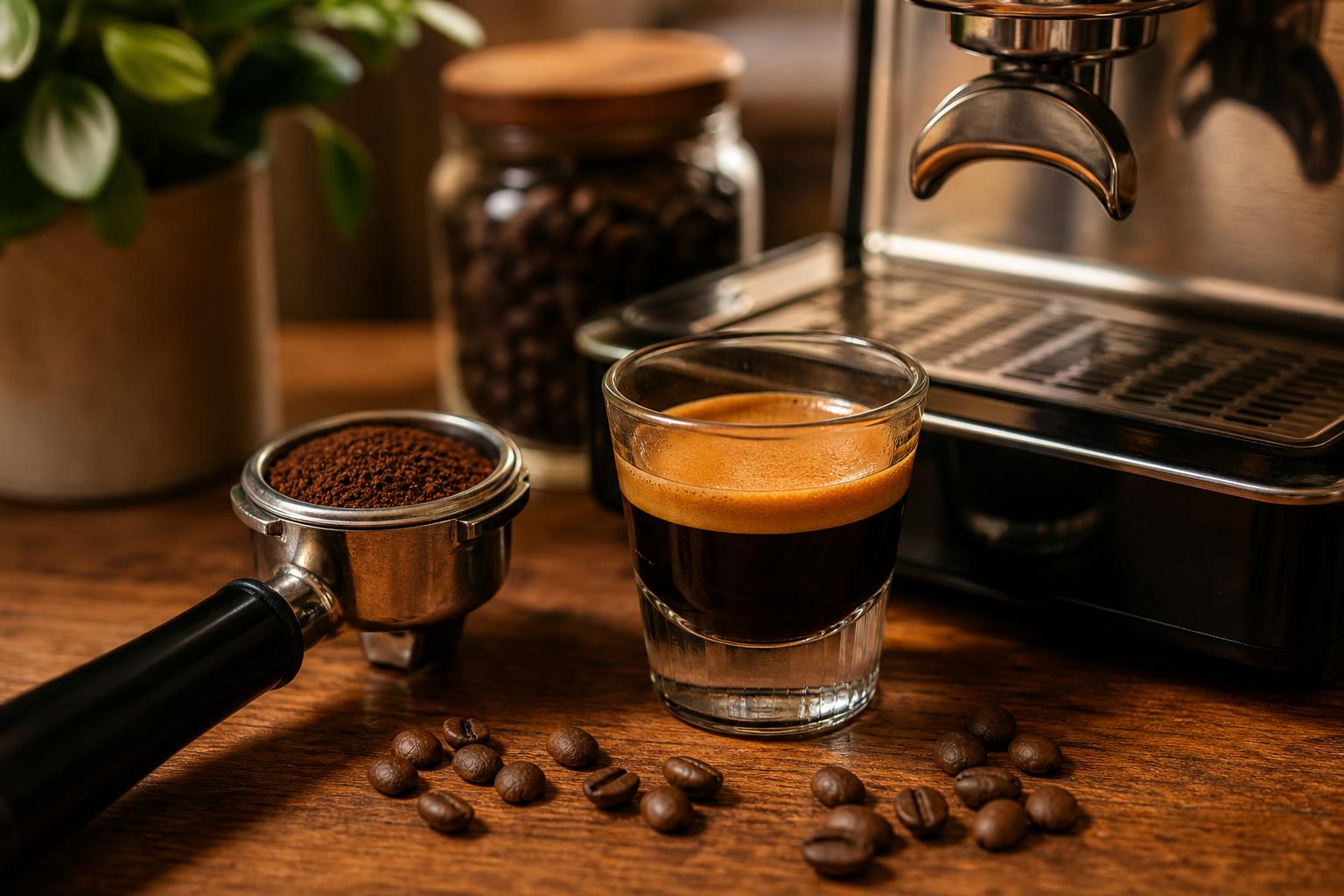
Is your home espresso bitter, burnt or dry? Learn the most common causes and practical fixes, from grind size and shot time to beans and cleaning.
A bitter espresso is not always a sign that your coffee is poor. Espresso naturally has more intensity than filter coffee, but harsh, burnt or drying bitterness usually points to an extraction or equipment problem. Most causes are easy to identify and correct at home.
Why Is My Home Espresso Bitter?
If your espresso tastes bitter, the coffee may have extracted too much, or the brewing conditions may have emphasised darker flavours. Common causes include:
- A grind that is too fine
- A shot that runs for too long
- Water that is too hot
- Too much water passing through the coffee
- An uneven dose or tamp
- Dark or stale beans
- Coffee oils and residue in the machine
Before changing everything at once, consider the type of bitterness. A well-made espresso can be intense, full-bodied and slightly bitter, especially with a darker roast. It should not taste burnt, sharply acrid or unpleasantly dry.
Explore the related selection here: Whole Bean or Ground Italian Coffee for Espresso?.
What Bitter Espresso Usually Tells You
Bitterness often suggests over-extraction. During brewing, hot water dissolves flavour compounds from the ground coffee. Early compounds contribute acidity and aroma, followed by sweetness and body. If extraction continues for too long, the cup can become harsh and dominated by bitter flavours.
Over-extraction is not the only explanation. Very dark coffee may taste bitter even when the shot is well prepared. Old beans can lose sweetness and become flat, while a dirty group head or portafilter can add stale, rancid or burnt notes.
Use the flavour as a guide:
- Intense but balanced: often normal for espresso.
- Dry and rough: may indicate over-extraction.
- Burnt or smoky: may come from a very dark roast or excessive heat.
- Sour and bitter together: may suggest uneven extraction.
- Flat and stale: often points to old or poorly stored coffee.
The Most Common Causes of Bitter Home Espresso
Dose, grind, water temperature, shot time and yield all interact. Change one variable at a time so you can identify what improves the flavour.
Explore the related selection here: Best Italian Decaf Coffee for Espresso Machines.
Your Coffee May Be Over-Extracted
Over-extracted espresso has allowed water to dissolve too much from the coffee grounds. It is often bitter, dry and lacking in sweetness. This can happen when:
- The grind is too fine
- The shot runs for too long
- The yield is too large for the dose
- The water temperature is too high
- The coffee bed offers too much resistance
Keep the dose consistent and adjust the grind slightly coarser. Avoid dramatic changes, which can replace bitterness with a thin or sour shot.
Your Grind May Be Too Fine
Espresso needs a fine grind, but an excessively fine grind slows the flow and increases contact time. Typical signs include a dripping or unusually slow shot, a dense harsh flavour, a dry finish and difficulty reaching your usual yield.
Adjust the grinder one step at a time. After each change, use the same dose, tamp and target yield. If the coffee becomes weak or sour, you may have gone too coarse.
A consistent grinder is important. Blade grinders create a mixture of fine and large particles, which can make extraction uneven.
Explore the related selection here: How Much Coffee Goes in a Double Espresso?.
The Water May Be Too Hot
Water temperature affects how quickly flavour compounds dissolve. Excessive heat can emphasise bitterness, especially with dark-roasted coffee. Machines may also brew differently as they warm up or produce several shots.
Espresso is commonly brewed with water around 90–96°C, although the best setting depends on the coffee and equipment. Darker roasts often suit a slightly lower temperature, while lighter roasts may benefit from more heat.
Allow the machine to warm fully. If it has adjustable temperature settings, make small changes and follow the manufacturer’s instructions for flushing the group head.
Your Espresso Shot May Be Running for Too Long
Shot time is a useful diagnostic measure. A shot that runs much longer than usual may be over-extracted, particularly when it also tastes dry and bitter.
Time alone does not determine quality, but many home brewers begin with approximately 25–35 seconds, counted from the start of brewing. Yield matters too: the weight of liquid espresso in the cup. For example, 18g of ground coffee might produce around 36g of espresso as a starting point.
If the shot takes too long, make the grind slightly coarser. If it runs quickly and tastes thin or sour, make it slightly finer. Use a scale where possible so dose and yield remain consistent.
Your Dose, Yield or Tamping May Be Unbalanced
Too much coffee in the basket can restrict flow, while too little may let water pass too quickly. A large yield can also make a shot weaker or more bitter, depending on the coffee and recipe.
Match the basket to the dose and weigh the coffee before brewing. Tamping should be firm and level, but excessive force is rarely the main cause of bitterness. Even distribution is more important. Uneven grounds can cause channelling, where water follows easier paths and creates a harsh, unbalanced shot.
Distribute the grounds evenly, keep the tamper level and avoid changing several preparation habits at once.
The Beans May Be Too Dark, Old or Unsuitable
Very dark-roasted beans often have strong roasted, smoky or bitter flavours by design. They can work well in milk drinks but may taste overpowering as a short black espresso.
For a more balanced cup, consider flavour notes such as chocolate, nuts, caramel or dried fruit. Italian coffee for home use is available in a range of roast styles, from traditional darker blends to lighter, more aromatic options.
Fresh coffee beans should have a lively aroma and clear flavour. Coffee also needs time after roasting to release excess gas, so follow the roaster’s guidance where available. Store opened beans in an airtight container in a cool, dry cupboard, away from heat, moisture, light and strong smells. Grind immediately before brewing when possible.
Your Equipment May Need Cleaning
Old coffee oils can taste bitter, stale or rancid and may mask the flavour of fresh beans. Clean the portafilter and basket regularly, wipe the group head and remove loose grounds. If your machine has a cleaning or backflushing programme, follow the manual.
Clean the steam wand after preparing milk drinks. Descale only as often and in the manner recommended for your machine and water conditions. A clean machine will not fix an unsuitable grind, but it removes a common source of unwanted bitterness.
How to Fix Bitter Espresso Step by Step
Change one variable at a time. Use the same coffee, basket, cup and general recipe while testing. Record the dose, yield, time and flavour in a notebook or phone note.
Start by Adjusting the Grind Gradually
If the espresso is slow, harsh and dry, adjust the grinder slightly coarser. Purge retained grounds if necessary, then prepare a fresh shot. If it is fast, thin and sharp, move slightly finer instead.
Check Brewing Time and Yield
Weigh the ground coffee and the espresso in the cup. An 18g dose and approximately 36g yield can be a useful starting point, but your basket and coffee may require a different recipe. Stop the shot by weight rather than relying only on the stream colour.
Review Water Temperature and Machine Settings
If the grind and yield seem reasonable but the coffee remains burnt or harsh, check the temperature. A slightly lower setting may suit dark Italian coffee blends, while lighter roasts may need more heat. Use the same warm-up routine for every shot.
Use Fresh, Suitable Coffee and Store It Properly
Choose beans that match your preferred drink. Dark blends can work well in cappuccino, while medium roasts may provide more sweetness as espresso. Keep the bag sealed, buy an amount you can use while it remains aromatic and expect to adjust the grinder when changing coffee.
Clean the Portafilter, Basket and Group Head
Remove coffee residue before judging a new recipe. Wash the basket and portafilter, clean the shower screen if accessible and follow the machine’s care instructions. Avoid household detergents that are unsuitable for food-contact equipment.
Taste the Result and Change One Variable at a Time
Let the espresso cool slightly before tasting. Ask whether the bitterness has reduced, whether the drink still has body and aroma, and whether the finish is sweet, balanced, sour or thin.
If it improves but remains harsh, make another small grind adjustment or reduce the yield. If it becomes sour, you may have gone too coarse, shortened extraction too much or lowered the temperature excessively.
When Bitterness Is Not the Problem
Some espresso is naturally intense. A traditional Italian blend may have a bold roasted character that tastes bitter compared with light filter coffee while remaining balanced and pleasant with sugar or milk.
The goal is not to remove every trace of bitterness. Espresso needs structure and depth; the aim is to prevent bitterness from overwhelming sweetness, aroma and body. If the coffee tastes enjoyable to you, the recipe is working, even if it does not match a standard ratio or shot time.
A bitter espresso is usually a solvable home-brewing problem. Start with the grind, check shot time and yield, consider water temperature, and make sure the beans and equipment are suitable and clean. Small, measured changes make it easier to find a balanced espresso for your kitchen.