
Blog
Best Italian Coffee for a Moka Pot: A Practical Guide
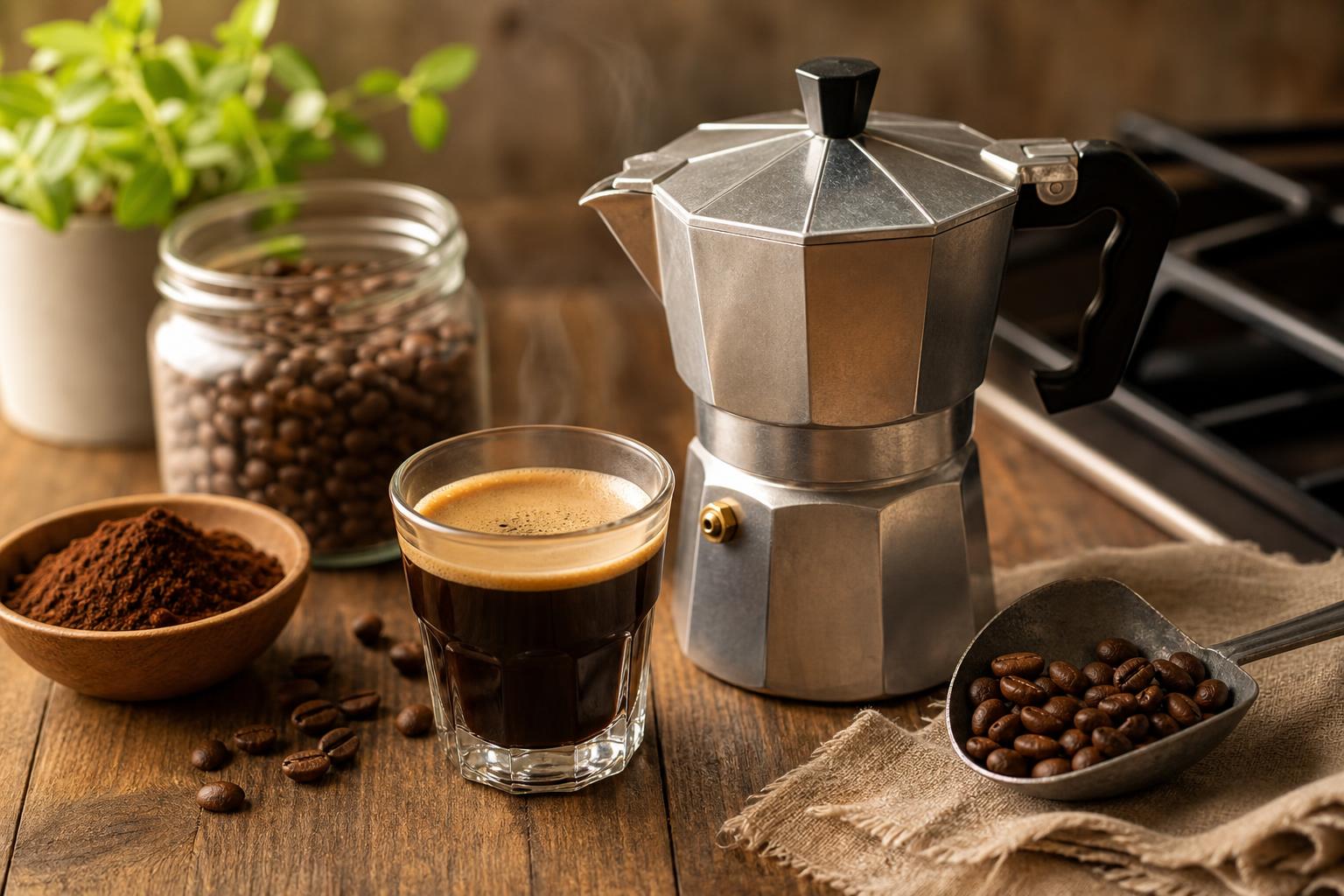
Choose the best Italian coffee for a moka pot with practical advice on grind size, roast, Arabica and Robusta blends, freshness and brewing.
A moka pot can produce a rich, concentrated cup with a distinctly Italian character, but the coffee you choose strongly affects the result. Grind size, roast level, freshness and the balance of Arabica and Robusta all influence the flavour.
This guide explains how to choose Italian coffee for a moka pot and how to brew it more consistently at home.
What makes Italian coffee suitable for a moka pot?
Italian coffee is not one specific style. Italian roasters use different origins, blends and roast profiles, from light and fruity to dark, intense and bittersweet. Many traditional blends are designed for concentrated brewing methods such as the moka pot.
A suitable coffee usually has:
- A medium-fine grind, finer than filter coffee but coarser than espresso
- Enough body to stand up to the moka pot’s concentrated brewing process
- Chocolate, nutty, caramel or roasted flavour notes
- Good freshness and a clearly labelled roast date where possible
- A profile that matches your preference, from smooth Arabica to a powerful Arabica and Robusta blend
A moka pot pushes hot water through ground coffee. It does not produce true espresso, but it creates a concentrated coffee with more body than most filter brews. Full-bodied, balanced coffees are therefore a practical starting point.
Traditional Italian blends can be useful for beginners, but there is no single best coffee for every moka pot. Your ideal choice depends on whether you prefer a gentle, aromatic cup or something stronger and more intense. You can also compare whole-bean options here: Coffee beans.
Explore the related selection here: How to Choose the Best Moka Pot Size for One.
The best grind size for moka pot coffee
Choose a medium-fine grind: finer than coffee for a cafetière or pour-over, but not as fine as typical espresso grounds. The texture should resemble fine sand.
Very fine grounds can restrict water flow and produce bitterness, excessive pressure, a muddy cup or sputtering. Espresso-fine coffee is therefore often unsuitable. Do not tamp the basket; fill it loosely and level the coffee gently.
Coarse grounds allow water to pass through too quickly, which can result in a thin, weak or sour cup with less sweetness and body. If you buy pre-ground coffee, look for packaging that specifically recommends moka pot or stovetop brewing. If you grind at home, make small adjustments between brews rather than changing the setting dramatically.
Which roast level works best?
A moka pot can work with light, medium and dark roasts, but each produces a different style of coffee.
Light roast
Light roasts preserve more acidity and origin character. In a moka pot, they may offer citrus, floral or fruit-like notes. Use moderate heat and an appropriate grind to avoid a sharp flavour. Choose a light roast if you enjoy brighter, more complex coffee and are comfortable experimenting.
Medium roast
Medium roast is often the most versatile choice. It can combine sweetness, moderate acidity and good body, with flavours such as nuts, chocolate, caramel or dried fruit. It is a useful starting point for beginners and works well both black and with milk.
Dark roast
Dark Italian roast profiles offer deep body, low perceived acidity and cocoa, toast or spice notes. They can produce a powerful cup that works well with milk or after a meal. Use gentle heat and remove the pot promptly, as excessive heat can make dark coffee bitter.
Explore the related selection here: Best Italian Decaf Coffee for Espresso Machines.
Arabica, Robusta or a blend?
The choice is mainly about flavour and mouthfeel.
Arabica
Arabica often offers greater aromatic variety, with notes that may suggest fruit, flowers, nuts or chocolate. It suits drinkers who prefer a smoother, more fragrant cup with moderate intensity. A 100% Arabica coffee can work very well in a moka pot, particularly when it is medium roasted and freshly ground.
Robusta
Robusta is valued for its firm body, pronounced bitterness and strong finish. Traditional Italian blends often use it to add intensity and structure. A higher-Robusta coffee may suit you if you enjoy a bold cup, add milk or prefer a forceful traditional style. Moderate heat is especially important because over-extraction can make the flavour harsh.
Arabica and Robusta blends
A blend aims to combine Arabica’s aroma with Robusta’s body. The balance varies between roasters, so read the product description rather than relying only on the blend name.
Choose a blend if you want:
- Full body and a persistent finish
- Chocolate, nutty or roasted flavours
- Coffee that remains noticeable in milk-based drinks
- A traditional Italian coffee profile
Choosing coffee for your taste
Start with flavour rather than choosing only by roast or bean type.
- Smooth and aromatic: Look for 100% Arabica, a medium roast and notes such as almond, milk chocolate, caramel or dried fruit.
- Strong and traditional: Choose an Arabica and Robusta blend with a medium-dark or dark roast, especially if you enjoy cocoa, toasted nuts and spice.
- Coffee with milk: A full-bodied blend usually remains noticeable when combined with hot milk. Medium-dark and dark roasts create a stronger drink, while a balanced medium roast is gentler.
- A more modern style: Try a medium roast with a stated origin or a lighter blend for more fruit and acidity. Use moderate heat and remove the pot as soon as the coffee starts to gurgle.
Explore the related selection here: How to Use an Italian Moka Pot: Easy Steps.
Ground coffee or whole beans?
Both can produce excellent results. The best option depends on your equipment, convenience and routine.
Ground coffee
Pre-ground coffee is convenient and consistent when the grind is suitable. Check that:
- The packaging recommends moka pot or stovetop brewing
- The coffee is kept in a sealed container after opening
- You use the amount intended for your filter basket
- You do not press the grounds down
Ground coffee loses freshness more quickly after opening, so smaller packs may be useful if you brew only occasionally.
Whole beans
Whole beans give you more control and generally retain their aroma better before grinding. You need a grinder that produces a consistent medium-fine texture. Grind only what you need where possible. Consistency matters more than simply grinding finer.
How to brew better coffee with a moka pot
1. Use clean, fresh water. Fill the lower chamber to just below the safety valve. Never cover the valve.
2. Fill the basket correctly. Add suitable coffee and level it without tamping.
3. Check the pot. Make sure the filter, rubber seal and threads are clean and correctly positioned.
4. Use low to medium heat. A steady temperature reduces the risk of burnt flavours and aggressive sputtering.
5. Watch the flow. When the stream becomes pale and the pot begins to gurgle, remove it from the heat.
6. Stop the extraction. Place the lower chamber on a cool surface briefly if needed.
7. Stir before serving. Mixing the first and later coffee distributes the flavours more evenly.
8. Serve promptly. Moka pot coffee is generally best shortly after brewing.
Preheated water can reduce the time the coffee spends over heat. If you use it, handle the pot carefully because the metal chambers may become hot quickly.
Using espresso-fine coffee
Espresso-fine grounds can restrict the flow and produce a bitter cup. Choose a medium-fine grind labelled for moka pot brewing instead.
Tamping the basket
Compressing the coffee increases resistance. Fill and level the basket gently.
Using too much heat
High heat can scorch the coffee and cause violent sputtering. The pot should brew steadily.
Leaving the pot on the hob
Remove it when the coffee is nearly finished and the stream begins to gurgle. Continued heating can damage the flavour.
Ignoring the seal and filter
Old coffee oils, a worn rubber seal or a blocked filter can affect flavour and performance. Clean the pot regularly and replace worn parts when necessary.
Changing the dose every time
Fill the basket to its intended capacity. Consistent dosing makes it easier to identify whether grind size or heat needs adjustment.
How to choose the best Italian coffee
Before buying, consider these points:
- Brewing method: Choose coffee suitable for a moka pot, not only espresso or filter brewing.
- Grind: Select medium-fine pre-ground coffee or grind whole beans to a similar texture.
- Roast: Choose medium roast for balance, dark roast for intensity or light roast for brighter flavours.
- Bean composition: Choose Arabica for aroma, Robusta for body or a blend for both.
- Freshness: Prefer well-sealed coffee with a recent roast date where available.
- Your usual drink: A nuanced Arabica may suit black coffee, while fuller blends often work well with milk.
- Pack size: Buy an amount you can use while the coffee still smells and tastes fresh.
- Italian style: Choose chocolate, nutty and roasted notes for a traditional profile, or lighter and single-origin options for a more contemporary style.
The best coffee for Bialetti and other moka pots is not determined by brand name alone. Brewing suitability, freshness and personal taste are more useful guides.
Can I use espresso coffee in a moka pot?
Yes, but check the grind. Espresso coffee is often too fine. A medium-fine grind labelled for moka pot brewing is usually a safer choice.
Is 100% Arabica suitable for a moka pot?
Yes. It can produce fragrant and balanced coffee. Choose the roast and grind according to your taste, and use gentle heat to avoid harshness.
Is Robusta too bitter?
Not necessarily. Robusta can add body and intensity, especially in a blend. For a smoother cup, choose a blend with less Robusta or try 100% Arabica.
What is the best grind for moka pot coffee?
A medium-fine grind is generally suitable: finer than filter coffee and coarser than espresso. Level the grounds and never tamp them.
Can I use light roast coffee?
Yes. Use an appropriate grind, moderate heat and remove the pot as soon as it begins to gurgle.
How much coffee should I use?
Fill the basket level according to its designed size. Do not compress the grounds or leave a large empty space.
Why does my moka pot coffee taste bitter?
Common causes include grounds that are too fine, excessive heat, over-brewing or a dark roast brewed too aggressively. Try a slightly coarser grind, lower heat and earlier removal from the hob.
How should I clean a moka pot?
Follow the manufacturer’s care instructions. Keep the filter and seal clean, rinse the pot thoroughly and avoid abrasive cleaning that may damage its finish.
Choosing Italian coffee for a moka pot becomes easier when you focus on grind, roast, freshness and flavour profile. Start with a balanced medium roast or traditional blend, then adjust your choice as you learn what you enjoy. With suitable coffee and steady brewing, a moka pot can produce a satisfying cup every day.