
Blog
How to Choose Italian Coffee Beans for Home Brewing
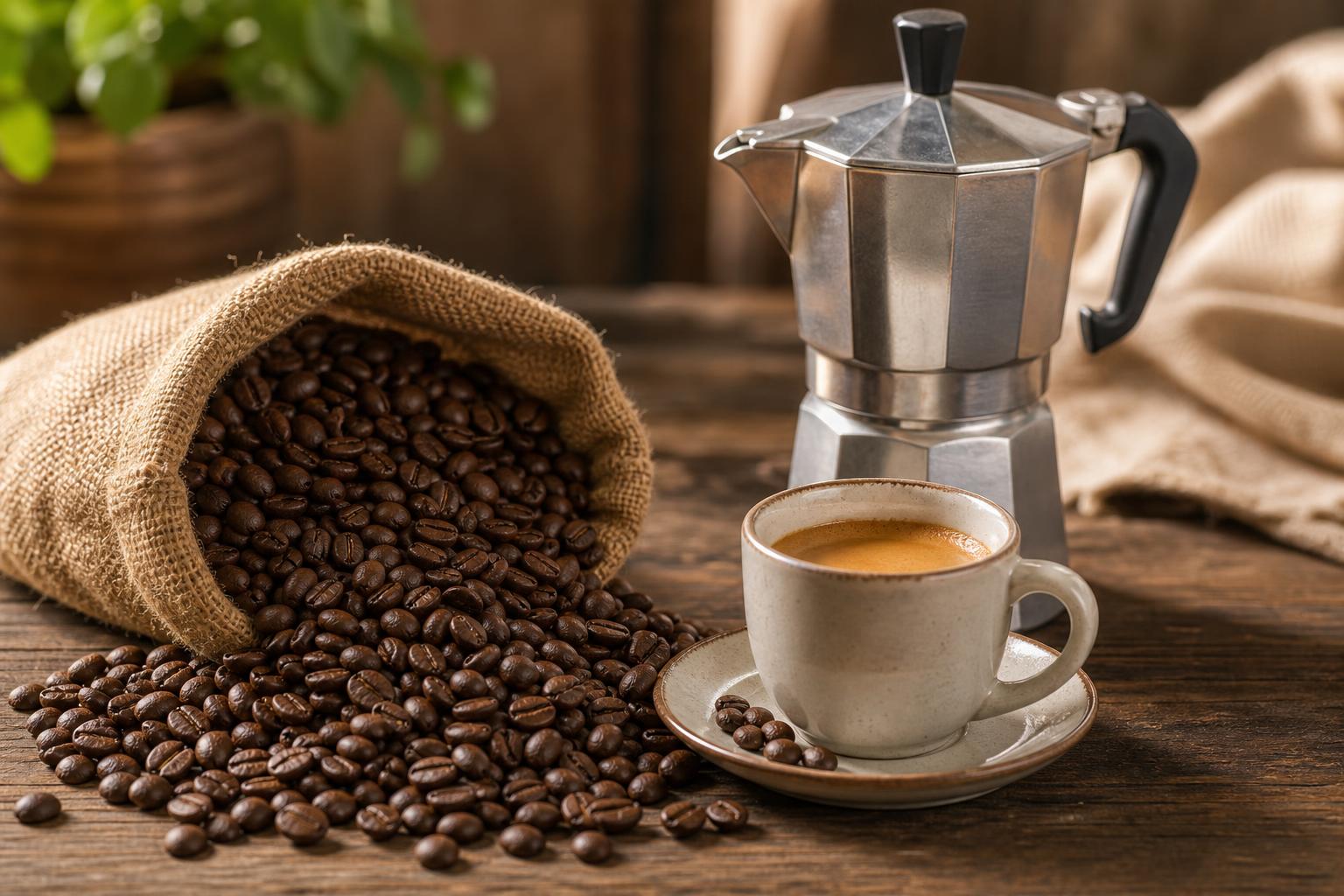
Choose Italian coffee beans for espresso, moka pot, French press or filter brewing. Compare roast, freshness, grind, blends and flavour preferences.
Italian coffee is closely associated with espresso, moka pot brewing and balanced blends. However, there is no single “correct” Italian coffee. The best choice depends on your preferred flavours, brewing method, roast profile and bean freshness.
This guide explains how to choose Italian coffee beans for home brewing and how to match them to an espresso machine, moka pot, French press or filter brewer.
How to Choose Italian Coffee Beans for Home Brewing
Begin with your brewing method and the flavours you enjoy. A dark, traditional espresso roast may suit a moka pot or milk-based drink, while a medium or lighter roast can reveal more fruit, citrus and floral notes in a filter brewer.
When comparing coffee, check:
- Arabica and Robusta proportions
- Roast level and tasting notes
- Blend or single-origin status
- Recommended brewing method
- Roast date or best-before information
- Whole-bean or pre-ground format
- Packaging and storage instructions
Whole beans are the most flexible option if you own a grinder. They allow you to adjust the grind for each brewer. Without a grinder, choose coffee ground specifically for espresso, moka pot, filter or French press rather than using a general-purpose grind.
For more options, explore the relevant [Italian coffee category] (INTERNAL CATEGORY LINK PLACEHOLDER), [whole coffee beans category] (INTERNAL CATEGORY LINK PLACEHOLDER) and [coffee accessories category] (INTERNAL CATEGORY LINK PLACEHOLDER). Add the final internal URLs during the publishing process.
Explore the related selection here: How to Use an Italian Moka Pot: Easy Steps.
Explore the related selection here: Stainless Steel vs Aluminium Moka Pots: Which to Choose?.
What Makes Italian Coffee Different?
Italian coffee culture is traditionally built around concentrated espresso, small servings and blends designed to deliver body, aroma and balance. Many traditional roasts work well with milk, sugar or a simple glass of water.
Italian blends often combine Arabica and Robusta. Arabica can contribute aromatic complexity and notes such as nuts, chocolate, caramel, fruit or flowers. Robusta may add intensity, body and a firmer finish. The result depends on the origins, proportions, processing and roast.
Italian coffee is not limited to dark espresso. Modern Italian roasters also offer lighter roasts, single-origin coffees and blends created for filter brewing. Italian coffee can therefore range from intense and full-bodied to bright, delicate and aromatic.
Arabica, Robusta and Italian Blends
Arabica is often associated with a smoother texture and a broader range of aromas. Arabica-dominant coffee may suit drinkers who prefer a gentler, more nuanced cup.
Robusta is commonly associated with a stronger flavour, heavier mouthfeel and greater intensity. In espresso blends, it may also support a dense crema, although the final result depends on the coffee and preparation.
Blends are created to provide a particular balance and consistent flavour. A high-Arabica blend can offer more aromatic detail, while a blend with a noticeable Robusta component may suit bold espresso or milk-based drinks. There is no universally best ratio, so use a balanced blend as a starting point and adjust according to taste.
Single-origin coffee highlights the character of a particular growing region. A blend is usually chosen for balance and repeatability, which can make it practical for everyday home brewing.
Choose the Right Roast Profile
Roast labels are not always used identically by every roaster, so read the tasting description as well as the light, medium or dark classification.
Light roasts usually preserve more of the bean’s original character. They may taste brighter, fruitier or more floral and often suit filter brewing.
Medium roasts balance sweetness, aroma and body. Depending on the coffee, they can work with espresso, moka pot or filter brewing.
Dark roasts tend to show deeper notes of cocoa, toasted nuts and caramel, sometimes with a smoky or bittersweet character. They are often associated with traditional espresso and can remain noticeable in milk-based drinks.
Roast level affects extraction. Darker beans can taste harsh when brewed too hot or for too long. Lighter beans may need a finer grind, longer extraction or higher temperature, depending on the equipment.
Match Italian Beans to Your Brewing Method
The same beans can taste different in different equipment. Choosing a suitable style and grind makes it easier to achieve a balanced cup.
- Espresso machine: Use a fine grind and choose beans described as suitable for espresso. Medium-dark or dark blends often provide body, while medium or Arabica-rich coffees can offer more aromatic detail.
- Moka pot: Choose a medium to dark roast with chocolate, nutty or caramel notes. Use a medium-fine grind, never compress the grounds and remove the pot from the heat when the flow becomes lighter.
- French press: Choose medium-roasted coffee and a coarse grind. Nutty, chocolate or gently fruity profiles work well in this longer, fuller-bodied preparation.
- Filter brewer: Medium or light roasts can highlight acidity, fruit, citrus and floral notes. Use a medium grind as a starting point and adjust it to the brewing time and taste.
Espresso coffee can be used in a filter brewer, but the result may be more intense or roasty than intended. Likewise, a very light filter roast may taste sharp or underdeveloped in a moka pot or espresso machine.
Choosing Beans for a Moka Pot
A moka pot produces concentrated coffee with substantial body, but it is not the same as espresso. Medium or dark Italian roasts are a practical starting point, especially if you enjoy traditional, rich flavours.
A blend containing Robusta may add strength and body. An Arabica-led blend can provide a smoother and more aromatic result. Use fresh water in the lower chamber and fill the basket without tamping. Gentle heat helps prevent bitter or burnt flavours.
If the coffee tastes thin or sharp, try a slightly finer grind or a fuller-bodied blend. If it tastes bitter, reduce the heat, shorten the brewing time or choose a lighter roast.
Choosing Beans for a Home Espresso Machine
Espresso requires a balanced extraction under pressure. Fresh beans, a suitable grinder and small adjustments are more important than choosing a particular label.
Traditional espresso drinkers may prefer medium-dark or dark beans with cocoa, toasted nut and caramel notes. These flavours also work well in cappuccino, flat white and latte, where the coffee must remain noticeable beside the milk.
For black espresso, an Arabica-rich blend or medium roast may offer greater aromatic detail. A single-origin coffee can be useful if you enjoy comparing different origins and flavour profiles.
Grind the beans finely and adjust gradually. If the coffee runs too quickly and tastes weak or sour, the grind may be too coarse. If it runs very slowly and tastes dry or bitter, it may be too fine. Change one variable at a time.
Freshness and Grind Size
Roasted coffee gradually loses volatile aromatic compounds. Look for clear roast or best-before information and buy an amount you can use while the beans still smell fragrant and taste lively. Packaging should protect the coffee from air, light and moisture.
Grinding exposes more surface area to air, so whole beans generally retain their character better than pre-ground coffee. A burr grinder normally produces more consistent particles than a blade grinder, helping water flow more evenly through the coffee.
Use these grind settings as starting points:
- Fine: espresso
- Medium-fine: moka pot
- Medium: most filter brewers
- Coarse: French press
Adjust according to flavour, brewing time and your equipment.
How to Store Italian Coffee Beans
Store beans in an airtight, opaque container in a cool, dry cupboard. Keep them away from the cooker, kettle and direct sunlight, where heat and moisture can accelerate flavour loss.
Keep the beans whole until brewing and avoid mixing a new batch with old beans or grounds. Freezing can be used for longer-term storage when the coffee is sealed carefully, but for everyday use, buying a suitable quantity and storing it at room temperature is usually simpler.
Buying Checklist
Before choosing Italian coffee beans, ask:
1. How will I brew the coffee?
2. Do I prefer chocolate and nuts, or fruit and floral notes?
3. Do I want Arabica, Robusta or a blend?
4. Would a light, medium or dark roast suit my taste?
5. Will I drink it black or with milk?
6. Is the coffee fresh and well packaged?
7. Can I grind it correctly for my equipment?
Final Tips
Start with a balanced Italian blend if you want a dependable everyday coffee. Then compare roast levels, Arabica and Robusta proportions, origins and brewing methods.
For a moka pot, begin with a medium-fine grind and full-bodied roast. For espresso, prioritise fresh beans and adjust the fine grind gradually. For French press or filter brewing, try medium or lighter roasts with greater aromatic clarity.
The best Italian coffee beans are the ones that suit your equipment and palate. Choose an appropriate style, brew it carefully and let your own taste guide the next purchase.
Sources
- Specialty Coffee Association, Coffee Standards and brewing resources: https://sca.coffee/
- International Coffee Organization, Coffee topics and industry information: https://www.ico.org/
- Consorzio Promozione Caffè, Italian coffee culture and information: https://www.consorziopromozionecaffe.it/